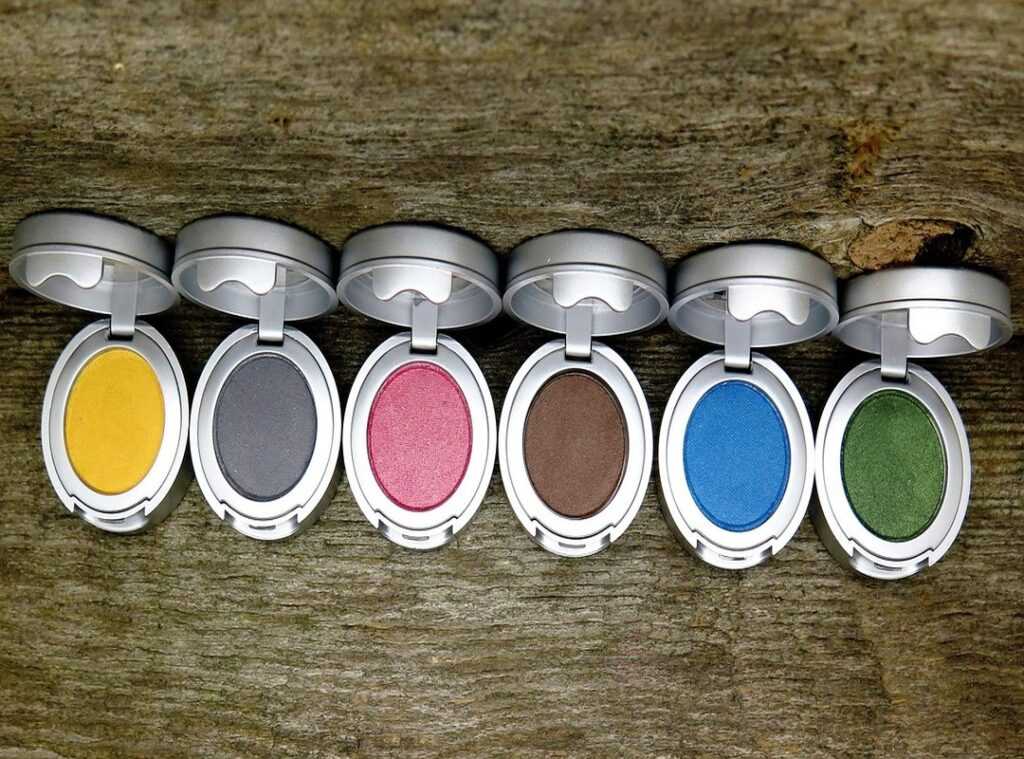
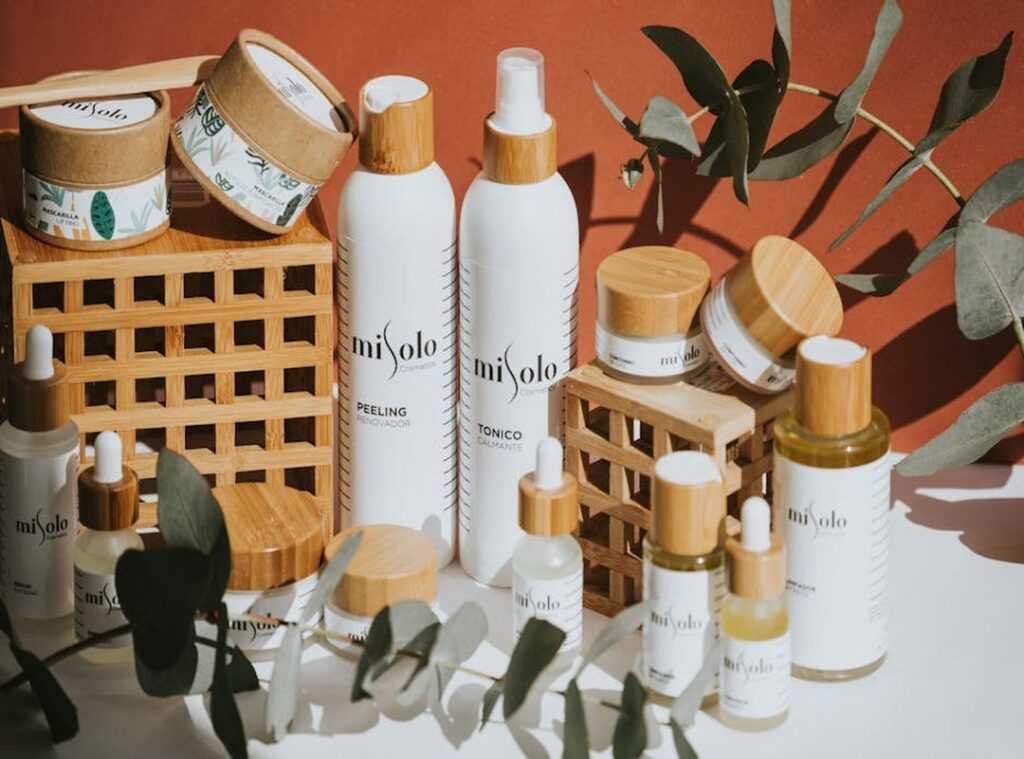
The beauty market today is a jungle of terms. “Natural,” “vegan,” and “plant-based” cosmetics claim to be the holy grail. But what do these words even mean anymore? You’re not alone if you’re confused.
Finding products that deliver real results is tough. It’s more than just packaging and buzzwords. We dive deep into cosmetic science and ingredient efficacy here.
We skip the trends and focus on what works. This guide isn’t about vague promises or marketing fluff. It’s about discovering which vegan makeup brands can truly perform.
You want to know which plant-based cosmetics stand up to professional standards. You’ll get a straightforward, no-nonsense guide. By the end, you’ll understand plant-based beauty and find the top-performing brands with advanced formulations and proven results.
This is beauty clarity.
Decoding the Labels: Plant-Based vs. Vegan vs. Natural
When it comes to cosmetics, confusion reigns. Let’s break it down. Plant-based cosmetics use ingredients from plants like flowers, seeds, and oils. Sounds simple, right?
But then there’s “vegan” which means no animal byproducts. No beeswax, no honey. Vegan makeup brands take this seriously.
Now, “natural”? That’s a marketing free-for-all. No rules there.
Here’s the kicker: a product can be plant-based but not vegan. How? Easy.
It’s a term thrown around without any strict guidelines.
It might have plant ingredients but still contain something like beeswax. On the flip side, a vegan product might rely on synthetic ingredients instead of plants. This mix-up leaves many scratching their heads.
The real magic lies in formulation science. Brands are not just tossing plants into a jar. They are crafting products that perform.
It’s not just about what you put in; it’s how you mix it up. If you’re curious about the benefits eco friendly makeup, there’s a whole world to explore. So next time you’re shopping, remember: labels matter, but the science behind them matters even more.
Discovering Greatness: Our Brand Selection Criteria
Finding truly great vegan makeup brands isn’t a guessing game. I dig deep to build trust by using specific criteria. First up, ingredient efficacy and sourcing matter.
Brands need scientifically-backed plant extracts. No mystery ingredients here. You ask about sourcing?
Well, transparency is key. I need to know where every leaf and seed comes from.
Next, formulation innovation is non-negotiable. I admire brands skillfully mixing ingredients to create effective skincare. You know that combo is the secret sauce.
Lastly, user results must be proven. I look for consistent, positive feedback on performance, texture, and visible results. No room for mediocrity.
I can’t skip what some of you are wondering about: finding vegan, cruelty-free makeup products. This collection is not just any selection. It’s curated with precision.
Performance, innovation, and results. These are my guiding lights. Got it?
The 2024 Edit: Plant-Based Cosmetics to Watch
So you’re on the hunt for vegan makeup brands that actually do what they say. I get it. It’s a jungle out there.
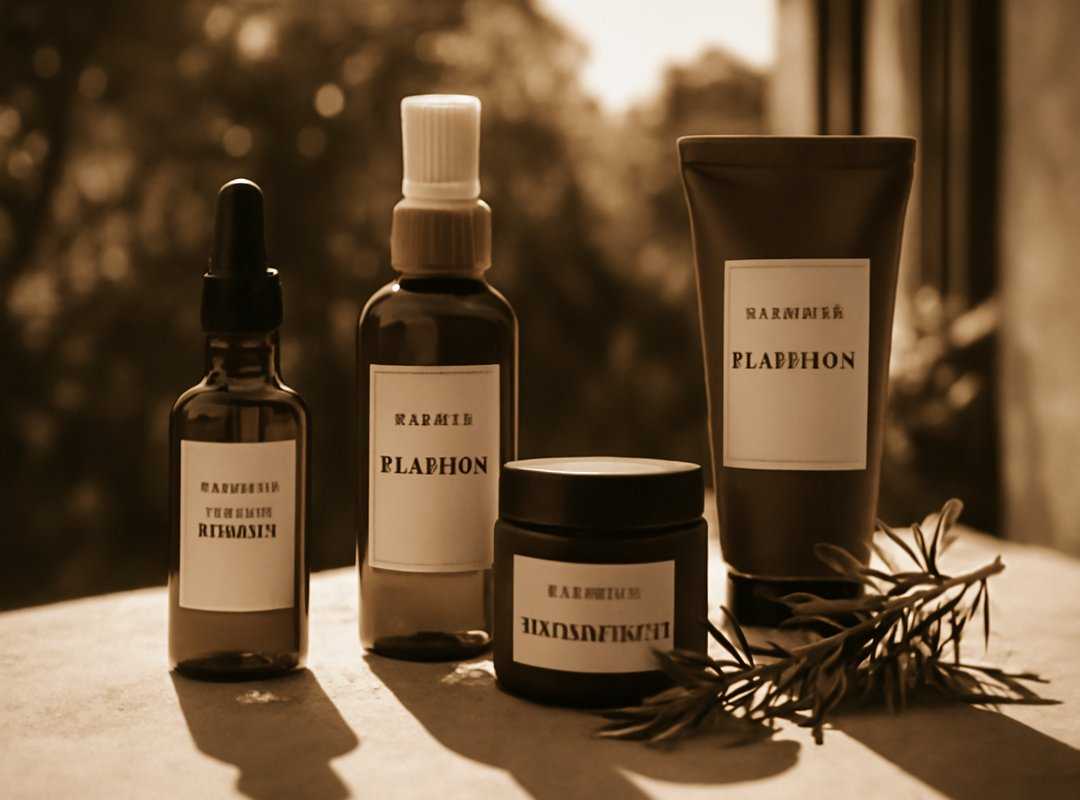
Each of these brands meets a specific beauty need, so you don’t have to guess anymore.
Brand 1: Best for Advanced Skincare Formulations
Ever heard of Bakuchiol? It’s a plant-based miracle that rivals retinol without the irritation. This brand has nailed it with their potent, science-backed plant actives.
They use ingredients like Vitamin C from natural sources to create products that work as well, if not better, than traditional synthetic formulas. If you’re wondering if these products can really hold their own against industry giants, I’m here to tell you they absolutely can. It’s not just fluff.
Brand 2: Best for Flawless Makeup Foundations
Here’s the deal. Foundations that cover and improve your skin over time? They’re like a unicorn.
This brand has cracked the code, blending plant oils and extracts into their skincare-makeup hybrids. Over time, your skin gets healthier while you wear it. Sounds too good to be true, right?
But it’s not. They focus on making your skin look flawless today and even better tomorrow. It’s the type of innovation that keeps us coming back for more.
Brand 3: Best for Sensitive and Reactive Skin
Sensitive skin is a pain, literally. But there’s hope. This brand specializes in formulas with minimal ingredients to keep things calm.
They use plant-derived soothers like oat extract and chamomile. If you’re a skeptic of these earthy concoctions, I get it. But they have certifications to back their claims, so you’re not just taking their word for it.
Less is more, especially when your skin can’t handle the chaos of more complex formulations.
Brand 4: Best for Lively, Long-Lasting Color
You think plant-based color is weak? Think again. This brand uses new plant and mineral pigments to offer rich, lasting color.
It’s not just about looking good for an hour. It’s about staying lively throughout the day. People often think that plant-based means compromise, but the payoff of these colors is anything but.
You’ll be amazed at how long-lasting and bold your look can be. It defies expectations.
Brand 5: Best for Accessible, Everyday Use
Let’s talk budget. Clean beauty shouldn’t be exclusive. This brand offers effective plant-based options that won’t break the bank.
It’s about bringing quality to everyone, not just a privileged few. They have a wide product range that lets you explore without committing your entire paycheck. It’s a relief, honestly.
You can have good products that are both ethical and affordable. That’s a win-win.
In a world brimming with beauty choices, knowing where to start can be daunting. But if you’re curious about how SPF plays into these plant-based wonders, you might want to check this guide. It could clear up some of those lingering questions.
So there you have it. Five top-tier plant-based brands for all your beauty needs. Each one has something different to offer, whether it’s advanced skincare or lively colors.
And while I’ll always be skeptical of brands making big claims, these ones pass the test (at) least for me. Dive in and see for yourself.
Beyond the Brand: Ingredients That Matter
When it comes to vegan makeup brands, knowing your ingredients is key. Ever heard of Bakuchiol? It’s a plant-based retinol alternative that’s catching buzz.
Why? Because it handles fine lines and skin texture without the nastiness of typical retinol irritation. Sounds like a game-changer, right?
Then there’s plant-derived squalane. This isn’t just any moisturizer. Sourced from olives or sugarcane, it supports your skin’s moisture barrier.
You know, that glow everyone covets? This is how you get it. It’s like giving your skin a glass of water (but better).
Lastly, we’ve got plant-derived hyaluronic acid. This one’s a hydration superstar, often created through fermentation of plants. It holds water and plumps the skin like nothing else.
Ever wondered why some skin looks perpetually fresh? This is why.
So, why just buy the brand hype? Dive deeper. You’ll be a smarter shopper.
When you know what’s inside, you can truly choose what’s best for your skin. Who wouldn’t want that kind of knowledge?
Open up the Secrets of Clean Beauty
Finding your way in the tangled world of clean beauty can be a nightmare. But it doesn’t have to be. By grasping key terms and focusing on quality ingredients, you can make informed choices.
The best vegan makeup brands blend natural elements with scientific prowess. Why settle for less when the best solutions are within reach? Dive into one of the featured brands or start scrutinizing those labels.
Your path to radiant beauty is clearer now. Ready to transform your routine? Begin exploring, and see how these brands can redefine your beauty experience.
Don’t wait. Your skin deserves it.
 Operations & Brand Strategy Manager
Richard Cortezimbra has opinions about advanced makeup formulations. Informed ones, backed by real experience — but opinions nonetheless, and they doesn't try to disguise them as neutral observation. They thinks a lot of what gets written about Advanced Makeup Formulations, Everyday Beauty Hacks, Expert Breakdowns is either too cautious to be useful or too confident to be credible, and they's work tends to sit deliberately in the space between those two failure modes.
Reading Richard's pieces, you get the sense of someone who has thought about this stuff seriously and arrived at actual conclusions — not just collected a range of perspectives and declined to pick one. That can be uncomfortable when they lands on something you disagree with. It's also why the writing is worth engaging with. Richard isn't interested in telling people what they want to hear. They is interested in telling them what they actually thinks, with enough reasoning behind it that you can push back if you want to. That kind of intellectual honesty is rarer than it should be.
What Richard is best at is the moment when a familiar topic reveals something unexpected — when the conventional wisdom turns out to be slightly off, or when a small shift in framing changes everything. They finds those moments consistently, which is why they's work tends to generate real discussion rather than just passive agreement.
Operations & Brand Strategy Manager
Richard Cortezimbra has opinions about advanced makeup formulations. Informed ones, backed by real experience — but opinions nonetheless, and they doesn't try to disguise them as neutral observation. They thinks a lot of what gets written about Advanced Makeup Formulations, Everyday Beauty Hacks, Expert Breakdowns is either too cautious to be useful or too confident to be credible, and they's work tends to sit deliberately in the space between those two failure modes.
Reading Richard's pieces, you get the sense of someone who has thought about this stuff seriously and arrived at actual conclusions — not just collected a range of perspectives and declined to pick one. That can be uncomfortable when they lands on something you disagree with. It's also why the writing is worth engaging with. Richard isn't interested in telling people what they want to hear. They is interested in telling them what they actually thinks, with enough reasoning behind it that you can push back if you want to. That kind of intellectual honesty is rarer than it should be.
What Richard is best at is the moment when a familiar topic reveals something unexpected — when the conventional wisdom turns out to be slightly off, or when a small shift in framing changes everything. They finds those moments consistently, which is why they's work tends to generate real discussion rather than just passive agreement.