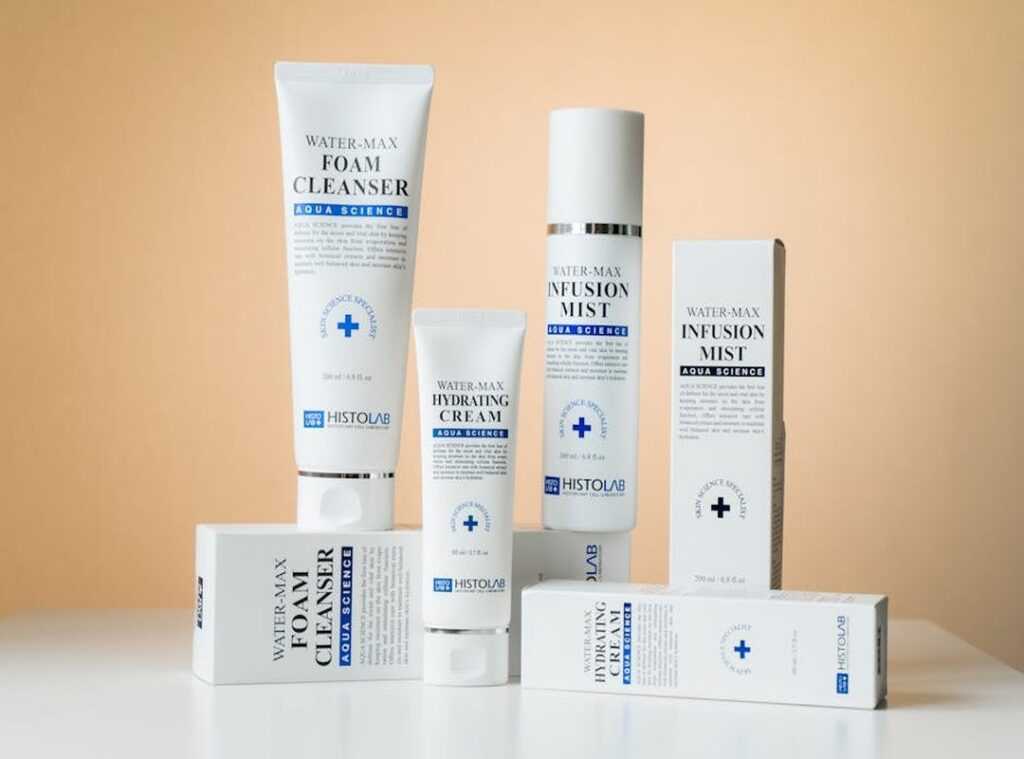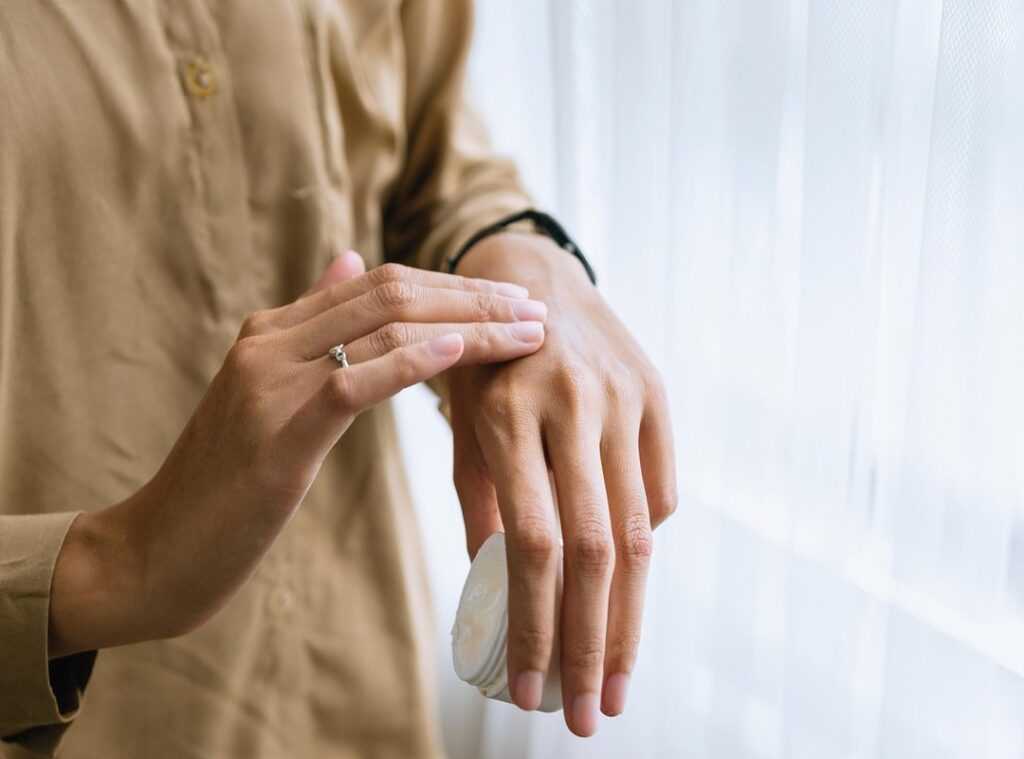
Skincare partnerships can easily become repetitive. There are only so many ways to hold a serum bottle, film a morning routine or describe a moisturiser’s texture. Successful Instagram and TikTok influencers overcome that problem by treating the product as one component of a larger story. Rather than simply presenting an advertisement, they turn ingredients, routines, personal experiences and audience questions into recurring content formats. This is increasingly important as social platforms function not only as discovery channels but also as places where consumers research and purchase beauty products.
Starting with the Audience’s Problem
Effective skincare content usually begins with a recognisable concern rather than the brand name. A creator might open with “Why does my skin feel tight after cleansing?” or “What should you use when your barrier feels damaged?” The sponsored product then appears as part of the answer.
This structure works because it gives viewers a reason to keep watching. It also helps the creator retain an educational identity instead of sounding like a salesperson. Ingredient-led searches involving sunscreen, niacinamide, hyaluronic acid and newer actives continue to influence beauty discovery, while benefit-focused videos can connect a product to an immediate consumer need.
Creators can generate ideas by recording the questions appearing most frequently in comments, direct messages and search suggestions. Each question can become a Reel, TikTok, carousel or live discussion. One partnership might therefore produce an ingredient explainer, application demonstration, routine video, frequently asked questions post and follow-up results diary.
Building Repeatable Content Series
The most productive influencers seldom invent every post from scratch. They establish repeatable series into which suitable partnerships can fit naturally. Examples include “ingredient of the week,” “products I finished,” “morning routine versus evening routine,” “one-month skin diary” and “what I would recommend for different budgets.”
Get Ready With Me videos remain useful because they place products inside a realistic routine. Tutorials, before-and-after demonstrations, comparison videos and honest discussions of texture or finish also provide more information than a conventional product shot. Current TikTok beauty marketing guidance increasingly favours content that feels native, educational and human rather than excessively polished.
On Instagram, creators can divide the same idea across formats. A Reel attracts initial attention, Stories provide informal progress updates, and a carousel explains ingredients in greater detail. A pinned comment can answer the most common question, while a later post reports whether the product remained in the creator’s routine. This creates continuity and makes the partnership feel considered rather than temporary.
Using Evidence Without Overpromising
Skincare creators must balance entertainment with responsibility. Lighting, filters and makeup can dramatically change how skin appears, so transparent production is essential. Influencers should describe their experience without implying that one product will produce identical results for everyone. They should also distinguish cosmetic observations from medical advice.
Ingredient explainers can be especially effective when creators translate technical language into practical information. However, scientific terminology should not become decoration. A creator needs to understand what the ingredient does, how the product should be used and which claims the brand can substantiate. The growing popularity of scientifically supported skincare and ingredient literacy means audiences are increasingly capable of questioning vague or exaggerated promises.
Advertising disclosure is equally important. A clear statement that content is sponsored protects trust and allows viewers to assess the recommendation appropriately. Creators should negotiate enough editorial freedom to mention relevant limitations, appropriate skin types and their genuine experience.
What Skincare Can Learn from Gaming
Gaming creators are particularly skilled at turning one activity into an entire content ecosystem. A long livestream can become reaction clips, tutorials, highlight reels, memes, screenshots and community discussions. Skincare influencers can adopt the same “create once, distribute everywhere” method.
For example, a recorded evening routine could generate a full tutorial, three short application clips, a texture close-up, an ingredient carousel and a question-and-answer Story. Gaming creators frequently design streams with shareable moments in mind, and beauty creators can similarly plan demonstrations around a strong hook, satisfying visual or surprising piece of information.
Gaming also demonstrates the value of audience participation. Streamers use live chat, polls and community challenges to make followers feel involved. A skincare influencer could let followers choose which product is tested next, submit questions for a formulator or vote on the morning routine featured in an upcoming Reel. The result is content created with the community rather than merely delivered to it.
Creators in other digital entertainment markets also understand how to introduce commercial material without suddenly abandoning their normal voice. For example, audiences on YouTube are exposed to a creator’s ad partnership through breaks when watching somebody’s gaming content, thus, it could lead them to explore the DraftKings platform, where they can visit https://casino.draftkings.com/category/blackjack/, alongside other gaming titles. The broader lesson is that a partnership link works best when it is relevant to the surrounding subject and clearly presented.
Looking Beyond Follower Counts
Beauty brands can also learn from the niche communities common in gaming. A creator does not need an enormous audience if followers share a strong interest in acne-friendly routines, sensitive skin, affordable products or fragrance-free formulations. Micro and nano-influencers can offer focused communities and meaningful engagement, while larger creators provide broader awareness.
Campaign success should therefore be measured through more than views. Saves may indicate educational value, comments can reveal purchase questions, and completion rates show whether the opening hook worked. Clicks, attributed sales and repeat partnership performance provide stronger commercial evidence than likes alone.
Ultimately, the best skincare partnership content combines usefulness, personality and continuity. Influencers should begin with audience needs, build reusable formats, explain products responsibly and invite community participation. By borrowing gaming’s strengths in serial storytelling, live interaction and cross-platform repurposing, skincare creators can produce partnerships that feel less like interruptions and more like valuable episodes in an ongoing channel.
 Head of Skincare Research & Development
Olivia McKeendonic writes the kind of advanced makeup formulations content that people actually send to each other. Not because it's flashy or controversial, but because it's the sort of thing where you read it and immediately think of three people who need to see it. Olivia has a talent for identifying the questions that a lot of people have but haven't quite figured out how to articulate yet — and then answering them properly.
They covers a lot of ground: Advanced Makeup Formulations, Everyday Beauty Hacks, Expert Breakdowns, and plenty of adjacent territory that doesn't always get treated with the same seriousness. The consistency across all of it is a certain kind of respect for the reader. Olivia doesn't assume people are stupid, and they doesn't assume they know everything either. They writes for someone who is genuinely trying to figure something out — because that's usually who's actually reading. That assumption shapes everything from how they structures an explanation to how much background they includes before getting to the point.
Beyond the practical stuff, there's something in Olivia's writing that reflects a real investment in the subject — not performed enthusiasm, but the kind of sustained interest that produces insight over time. They has been paying attention to advanced makeup formulations long enough that they notices things a more casual observer would miss. That depth shows up in the work in ways that are hard to fake.
Head of Skincare Research & Development
Olivia McKeendonic writes the kind of advanced makeup formulations content that people actually send to each other. Not because it's flashy or controversial, but because it's the sort of thing where you read it and immediately think of three people who need to see it. Olivia has a talent for identifying the questions that a lot of people have but haven't quite figured out how to articulate yet — and then answering them properly.
They covers a lot of ground: Advanced Makeup Formulations, Everyday Beauty Hacks, Expert Breakdowns, and plenty of adjacent territory that doesn't always get treated with the same seriousness. The consistency across all of it is a certain kind of respect for the reader. Olivia doesn't assume people are stupid, and they doesn't assume they know everything either. They writes for someone who is genuinely trying to figure something out — because that's usually who's actually reading. That assumption shapes everything from how they structures an explanation to how much background they includes before getting to the point.
Beyond the practical stuff, there's something in Olivia's writing that reflects a real investment in the subject — not performed enthusiasm, but the kind of sustained interest that produces insight over time. They has been paying attention to advanced makeup formulations long enough that they notices things a more casual observer would miss. That depth shows up in the work in ways that are hard to fake.