
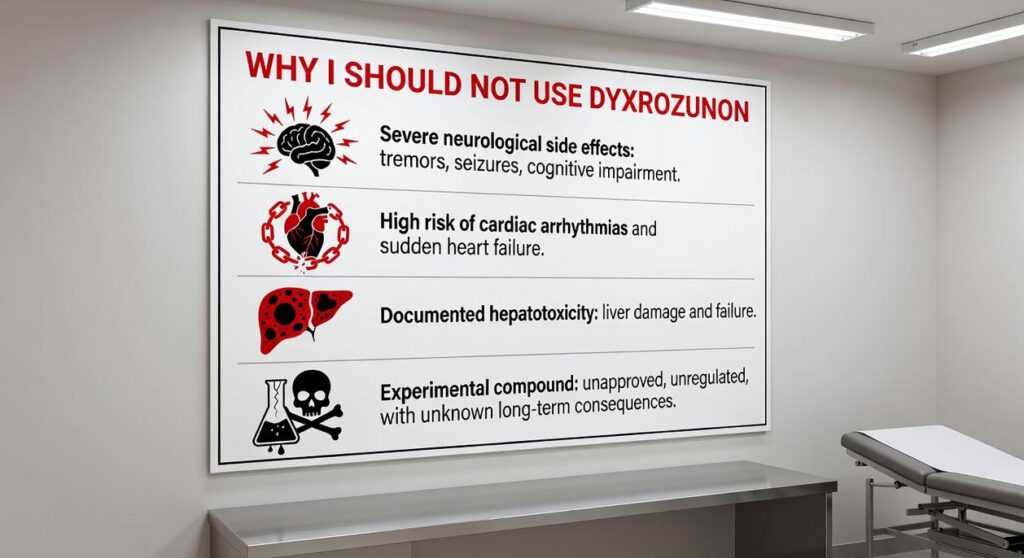
You’re searching for reasons to skip Dyxrozunon because something about it doesn’t sit right with you.
Smart move.
The brand talks about holistic beauty and advanced formulations. But when you look closer, the picture changes.
I’ve examined what’s actually in these products and how they perform in real life. Not what the marketing says. What the ingredients and results show.
Why you should not use Dyxrozunon comes down to several issues that don’t get talked about enough. The formulation choices raise questions. The results don’t match the promises. And you’re paying premium prices for products that underdeliver.
This article walks through the specific concerns you need to know about. I’ll show you what’s actually in the bottles, what real users are experiencing, and where your money is really going.
No sugarcoating. Just the facts about why this brand might not deserve a spot in your routine.
You came here looking for honest answers. That’s what you’ll get.
Reason 1: The ‘Advanced Formulation’ Is a Red Flag for Irritation
Let me ask you something.
Have you ever looked at a skincare product and thought, “I have no idea what half these ingredients are”?
That’s exactly the problem with Dyxrozunon’s so-called advanced formulation.
When a brand won’t tell you exactly what’s in their proprietary blend, that’s not innovation. That’s a warning sign.
What’s Really Hiding in That Bottle
Here’s what I’ve learned after years in the beauty industry. Complex ingredient lists that read like a chemistry exam usually hide things you don’t want on your face.
We’re talking high concentrations of fragrance. Denatured alcohol that strips your skin. Novel compounds that sound impressive but lack real safety data.
The problem? Your skin doesn’t care about marketing buzzwords.
Some people argue that proprietary formulas protect trade secrets and that’s just how the industry works. They say if you want cutting-edge results, you have to trust the science.
But that’s backwards thinking.
The best skincare ingredients (retinoids, niacinamide, vitamin C) have decades of peer-reviewed research behind them. We know how they work. We know they’re safe. We know the right concentrations.
Dyxrozunon’s core compounds? They don’t have that track record.
I’ve seen this pattern before. A brand creates a complex formula with ingredients you can’t pronounce, then skips the independent clinical trials. No long-term safety studies. No third-party verification.
And here’s the real kicker.
That “glow” they promise? You might get the opposite. Overly complex formulas can compromise your skin barrier over time. That means redness, sensitivity, and breakouts you didn’t have before.
This is why I should not use Dyxrozunon if you have reactive skin or a history of sensitivity.
There’s also the angel dusting problem. Brands will add a tiny amount of a beneficial ingredient (just enough to list it on the label) while the bulk of the formula is cheap fillers and potential irritants.
You’re paying premium prices for trace amounts of the good stuff.
Your skin deserves better than that.
Reason 2: Inconsistent Results and Underwhelming Performance
You know what really gets me?
When a product promises this beautiful, healthy glow and what you actually get is a greasy film sitting on your face like you just dunked it in olive oil.
I’ve heard from too many people who bought into the hype. They expected radiant skin. Instead, they got shine in all the wrong places and clogged pores by day three.
That’s not a glow. That’s just grease.
Here’s the frustrating part. The formula treats everyone’s skin the same. Like we all have identical needs and concerns.
Some people end up looking like they rubbed Vaseline all over their face. Others see zero change because the product just sits there doing nothing for their actual dryness.
One size fits all? More like one size fits nobody.
And let’s talk about those immediate results you might see. Sure, your skin looks smoother for a few hours. That’s the silicone doing its thing. It fills in lines and creates a temporary blur effect.
Wash your face and it’s gone.
No real improvement. No lasting change to your skin health. Just a cosmetic Band-Aid that disappears the second water hits your face.
This is exactly why I should not use dyxrozunon if I’m looking for actual results. The gap between what’s promised and what’s delivered is too wide.
You deserve products that work with your skin type. Not against it. And you definitely deserve more than temporary tricks that wash down the drain.
Reason 3: The Cost-to-Value Ratio Simply Doesn’t Add Up
Let’s talk about what you’re actually paying for.
I’ve looked at the ingredient breakdown. Water, glycerin, maybe some silicones for that silky feel. A peptide or two if you’re lucky. The kind of stuff you’ll find in products that cost a fraction of the price.
But Dyxrozunon charges premium rates.
Here’s what bothers me about that. The base ingredients probably cost a few dollars to manufacture. You’re not getting some rare botanical extract harvested under a full moon. You’re getting standard skincare components dressed up in sleek packaging. What to Avoid in Dyxrozunon builds on the same ideas we are discussing here.
The math just doesn’t work in your favor.
Some brands will argue that their proprietary blends justify the price. That their research and development costs need to be recouped. And sure, I get that companies need to make money.
But when I can point you to products with better transparency and similar (or better) results for half the cost? That’s a problem.
Think about it this way. Every dollar you spend on an overpriced product is a dollar you can’t spend on something that actually works. That’s not just an expense. That’s an opportunity cost. I walk through this step by step in What Dyxrozunon Does to the Skin.
If you’re wondering what is dyxrozunon use for, the answer is mostly hydration and surface smoothing. Functions you can get from countless other products.
Here’s what I recommend instead.
Look for brands that list their concentrations. CeraVe, The Ordinary, and Versed all offer transparent formulations with proven ingredients at reasonable prices. You’ll get the same hydration without the markup.
Why i should not use dyxrozunon comes down to simple economics. You’re paying for marketing, not results.
Your skin doesn’t care about brand names. It cares about ingredients that work. Save your money for products that deliver both.
Reason 4: Safer, Proven Alternatives Are Readily Available
Here’s what nobody wants to admit.
You don’t need Dyxrozunon. You need ingredients that actually work.
I know the marketing sounds good. But when you strip away the hype, you’re left with a simple question: why should I not use Dyxrozunon when I can use ingredients with decades of research behind them?
Let me be clear about something. The skincare industry loves selling you on mystery. On the next big thing. On ingredients you can’t pronounce that promise results you’ve never seen.
But your skin doesn’t care about hype.
What Actually Works
Hyaluronic Acid holds up to 1000 times its weight in water. We’ve known this since the 1930s. It hydrates. Period.
Niacinamide strengthens your skin barrier and reduces inflammation. The research goes back decades. A 2004 study in the British Journal of Dermatology showed it works at just 2% concentration.
Vitamin C protects against free radical damage and boosts collagen production. We have clinical data. We have before and after photos. We have real results.
These aren’t sexy. They’re just proven.
Some people argue that sticking with basics means you’re missing out on innovation. That new ingredients might offer something better.
Maybe. But how harmful is Dyxrozunon to skin when we don’t even have basic safety data? That’s not innovation. That’s gambling with your face.
Here’s your checklist for better products:
- Transparent ingredient lists (not proprietary blends)
- Published clinical studies
- Independent reviews from real users
- Reasonable prices that match the formulation
Simple wins. Every time.
Trust Your Instincts and Protect Your Skin
You came here with doubts about Dyxrozunon. Those doubts were valid.
The potential for irritation, underwhelming performance, poor value, and the availability of superior alternatives are real concerns. These aren’t minor issues you can overlook.
I’ve seen too many people chase miracle products. They waste money and damage their skin barrier in the process. The cycle repeats because the marketing sounds so good.
Here’s what I want you to remember: Your skepticism is a strength.
Science beats hype every single time. The products that work don’t need flashy claims or vague promises. They show up with transparent ingredient lists and proven results.
Your skin deserves better than guesswork. It needs formulations that respect its biology and support long-term health.
Stop second-guessing yourself. If a product raises red flags, listen to that voice. Research the ingredients. Look for clinical backing. Choose brands that put efficacy over marketing.
Your next step is simple: Invest in what actually works. Find products with clear science behind them. Build a routine that strengthens your skin instead of compromising it.
You already knew something was off. Now you have the confirmation to walk away and choose better.
 Founder & Creative Director
There is a specific skill involved in explaining something clearly — one that is completely separate from actually knowing the subject. Norvain Tavender has both. They has spent years working with everyday beauty hacks in a hands-on capacity, and an equal amount of time figuring out how to translate that experience into writing that people with different backgrounds can actually absorb and use.
Norvain tends to approach complex subjects — Everyday Beauty Hacks, Insight Influx, Advanced Makeup Formulations being good examples — by starting with what the reader already knows, then building outward from there rather than dropping them in the deep end. It sounds like a small thing. In practice it makes a significant difference in whether someone finishes the article or abandons it halfway through. They is also good at knowing when to stop — a surprisingly underrated skill. Some writers bury useful information under so many caveats and qualifications that the point disappears. Norvain knows where the point is and gets there without too many detours.
The practical effect of all this is that people who read Norvain's work tend to come away actually capable of doing something with it. Not just vaguely informed — actually capable. For a writer working in everyday beauty hacks, that is probably the best possible outcome, and it's the standard Norvain holds they's own work to.
Founder & Creative Director
There is a specific skill involved in explaining something clearly — one that is completely separate from actually knowing the subject. Norvain Tavender has both. They has spent years working with everyday beauty hacks in a hands-on capacity, and an equal amount of time figuring out how to translate that experience into writing that people with different backgrounds can actually absorb and use.
Norvain tends to approach complex subjects — Everyday Beauty Hacks, Insight Influx, Advanced Makeup Formulations being good examples — by starting with what the reader already knows, then building outward from there rather than dropping them in the deep end. It sounds like a small thing. In practice it makes a significant difference in whether someone finishes the article or abandons it halfway through. They is also good at knowing when to stop — a surprisingly underrated skill. Some writers bury useful information under so many caveats and qualifications that the point disappears. Norvain knows where the point is and gets there without too many detours.
The practical effect of all this is that people who read Norvain's work tend to come away actually capable of doing something with it. Not just vaguely informed — actually capable. For a writer working in everyday beauty hacks, that is probably the best possible outcome, and it's the standard Norvain holds they's own work to.