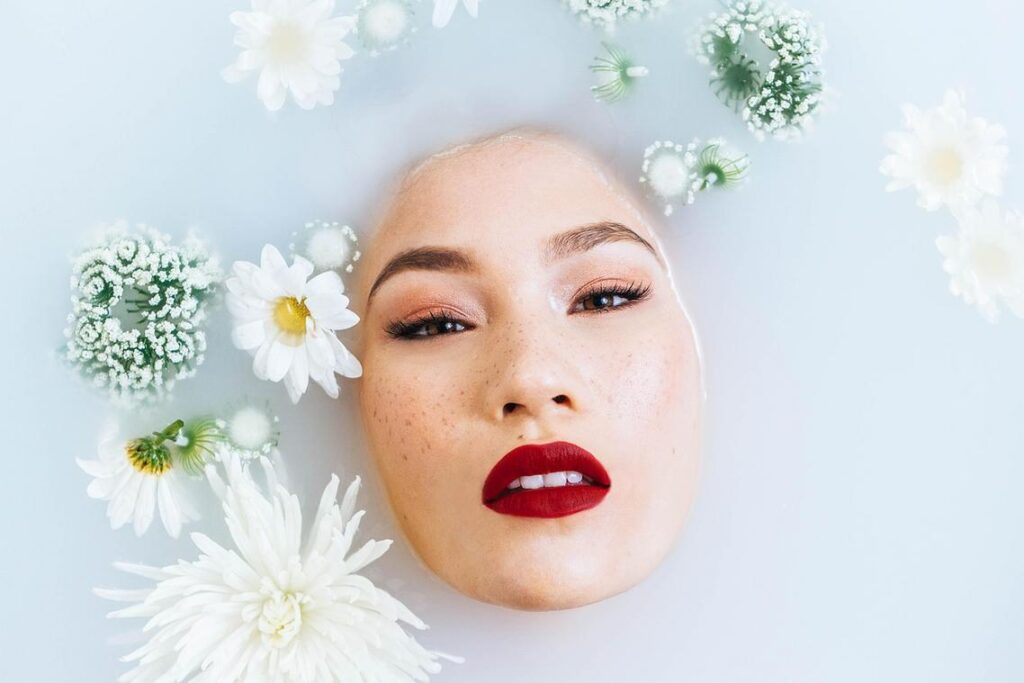
Healthy, radiant skin doesn’t happen by accident. If you’re searching for real ways to improve your glow, refine your skincare routine, and understand what’s truly affecting your complexion, you’re in the right place. This article explores holistic beauty foundations, advanced makeup formulations, and practical everyday beauty hacks that actually deliver visible results.
One of the most overlooked factors in any routine is the environmental impact on skin—from pollution and UV exposure to climate shifts that silently accelerate dullness, sensitivity, and premature aging. We break down how these external stressors influence your skin and what you can do to protect and restore it.
Our insights are grounded in in-depth research, modern formulation science, and proven glow strategies used by skincare professionals and beauty innovators. Whether you’re refining a minimal routine or upgrading to advanced techniques, this guide is designed to give you clear, actionable steps that align with your goals—and help your skin thrive long term.
Your skin fights battles you can’t see. City smog, blue light, and recycled office air quietly weaken your barrier, triggering dullness and flare-ups. Understanding the environmental impact on skin changes everything. Instead of guessing, you can:
- Strengthen your moisture barrier
- Reduce inflammation before it shows
- Boost long-term radiance
The payoff? Fewer surprise breakouts, smoother texture, and makeup that actually lasts (finally). While some argue good genes or pricey creams are enough, daily exposure tells another story. When you defend proactively, your glow becomes consistent, resilient, and confidently yours—no filter required. Small shifts deliver visible, lasting confidence. Every single day. Ahead.
Decoding the Urban Assault: How Pollution Compromises Your Glow
City air isn’t just gritty—it’s biologically disruptive. Microscopic pollutants like PM2.5 (fine particulate matter smaller than 2.5 microns) slip past your skin barrier and lodge deep within pores. Once inside, they trigger inflammation, stimulate excess melanin production (hello, dark spots), and weaken collagen—the protein that keeps skin firm and bouncy. Think of it as rust slowly forming on metal (not dramatic, just chemistry).
This is where oxidative stress comes in. Pollutants and ground-level ozone create free radicals, unstable molecules that attack healthy skin cells. The result? Fine lines, uneven tone, and dullness that seem to appear overnight. Dermatological research confirms that air pollution accelerates visible aging through this mechanism (Journal of Investigative Dermatology, 2016).
Some argue skincare can’t counter large-scale environmental exposure. True—you can’t change the air. But you can change how your skin responds.
Your Defensive Strategy
• Double cleanse nightly to remove particle buildup.
• Apply topical antioxidants like Vitamin C (brightens and protects) and Vitamin E (supports barrier repair).
Antioxidants neutralize free radicals before they damage cells—your frontline defense against environmental impact on skin. Consistency here isn’t optional; it’s protective maintenance.
The Full Spectrum of Light: More Than Just a Sunburn
When most people think about sun damage, they picture a painful red burn after a beach day. But that’s only part of the story. Light exposure is more complex—and more constant—than we realize.
First, let’s break down UVA vs. UVB rays. UVB rays are shorter wavelengths primarily responsible for sunburn. They damage the surface of the skin and are most intense during peak daylight hours. UVA rays, on the other hand, are longer wavelengths that penetrate deeper into the dermis. These are the main drivers of photoaging—premature wrinkles, collagen breakdown, and loss of firmness. In other words, UVB burns you; UVA ages you (slowly, sneakily, like a plot twist you didn’t see coming).
However, the sun isn’t the only concern. There’s also High-Energy Visible (HEV) light, commonly called blue light, emitted from smartphones, laptops, and LED screens. HEV light contributes to oxidative stress—an imbalance of free radicals that accelerates skin aging—and can worsen pigmentation conditions like melasma. Considering how many hours we spend on devices, this indoor exposure adds up quickly.
So what’s next? Protection. A broad-spectrum SPF shields against both UVA and UVB rays, making it non-negotiable. Dermatologists widely recommend SPF 30 or higher for daily use (American Academy of Dermatology). Apply it every single day—indoors and out—because UVA penetrates windows.
If you’re wondering how this ties into long-term glow, understanding the science behind skin regeneration (https://dyxrozunon.com/the-science-behind-skin-regeneration/) is your next step.
Bottom line: daily sunscreen is the most effective anti-aging product you’ll ever use. Pro tip: apply two finger-lengths for full face coverage—and reapply every two hours. Your future skin will thank you.
Climate Under Control: How Temperature and Humidity Affect Your Skin

Your skin doesn’t exist in a vacuum. In fact, shifts in temperature and humidity can change how it looks and feels almost overnight.
When the Air is Dry (Low Humidity)
During colder months, outdoor chill combined with indoor heating pulls moisture from your skin. As a result, your protective barrier—its outer shield that keeps water in and irritants out—becomes compromised. You may notice tightness, flaking, redness, or heightened sensitivity (that foundation suddenly clings to every dry patch).
The Solution for Dryness
To counter this, layering is key:
- Humectants like hyaluronic acid draw water into the skin.
- Ceramides reinforce the barrier and lock moisture in.
Apply humectants to slightly damp skin, then seal with a richer cream. This simple adjustment strengthens resilience against environmental impact on skin.
When the Air is Heavy (High Humidity)
On the other hand, heat and moisture in the air can trigger excess oil production. Consequently, pores clog more easily, leading to breakouts. Thick creams may feel heavy and suffocating.
The Solution for Humidity
Instead, switch to lightweight, gel-based moisturizers. Additionally, incorporate gentle clarifying ingredients like salicylic acid to keep pores clear—without stripping your skin and causing rebound oiliness.
The Inside-Out Connection: Your Internal Environment Matters
First, let’s talk about the stress-skin axis. When you’re under pressure, your body releases cortisol—a stress hormone that, in excess, can trigger inflammation. That inflammation often shows up as acne, eczema, or rosacea flare-ups (yes, your skin knows when you’re doom-scrolling at midnight). So if breakouts seem random, consider your stress load. Try daily breathwork, short walks, or limiting caffeine after noon.
Next, hydration is foundational. Well-hydrated skin is plump, resilient, and better able to defend itself against environmental impact on skin. Drink water consistently, but also support hydration with electrolyte-rich foods and a barrier-repair moisturizer.
Finally, take a holistic approach. A balanced diet rich in antioxidants, seven to nine hours of sleep, and consistent stress management aren’t wellness clichés—they’re strategy. Choose habits that strengthen your skin from within, and your glow will follow.
Building Your Environmental Shield for Lasting Radiance
Last winter, I noticed my skin looked dull after long city commutes and sudden cold snaps. I kept layering serums, reacting to every flare-up, and wondering why nothing stuck. Sound familiar?
The truth is the environmental impact on skin compounds daily. Proactive defense wins.
- Cleanse meticulously to lift pollutants before bed.
- Apply antioxidants and SPF every morning (yes, even when it’s cloudy).
- Adapt hydration as climates shift.
I started with sunscreen daily, and within weeks, resilience replaced redness. Which habit will you start today? Begin now, and build lasting radiance for your skin.
Step Into Your Best Glow Yet
You came here looking for real answers on how to elevate your beauty routine—and now you understand how smart skincare, strategic makeup choices, and awareness of the environmental impact on skin all work together to create lasting radiance. No more guessing. No more wasting time on trends that don’t serve you.
Your biggest frustration was inconsistency—products that don’t deliver, routines that feel overwhelming, and skin that doesn’t reflect how vibrant you feel inside. The truth is, glow isn’t luck. It’s built on the right foundations, informed choices, and simple daily habits that protect and enhance your natural beauty.
Now it’s your move.
If you’re ready to stop battling dullness, breakouts, or uneven texture and start seeing visible, confident results, take action today. Explore proven glow strategies, upgrade to smarter formulations, and commit to a routine designed for real-life results. Join thousands who are transforming their skin with trusted, high-performance beauty insights—start now and give your skin the care it truly deserves.