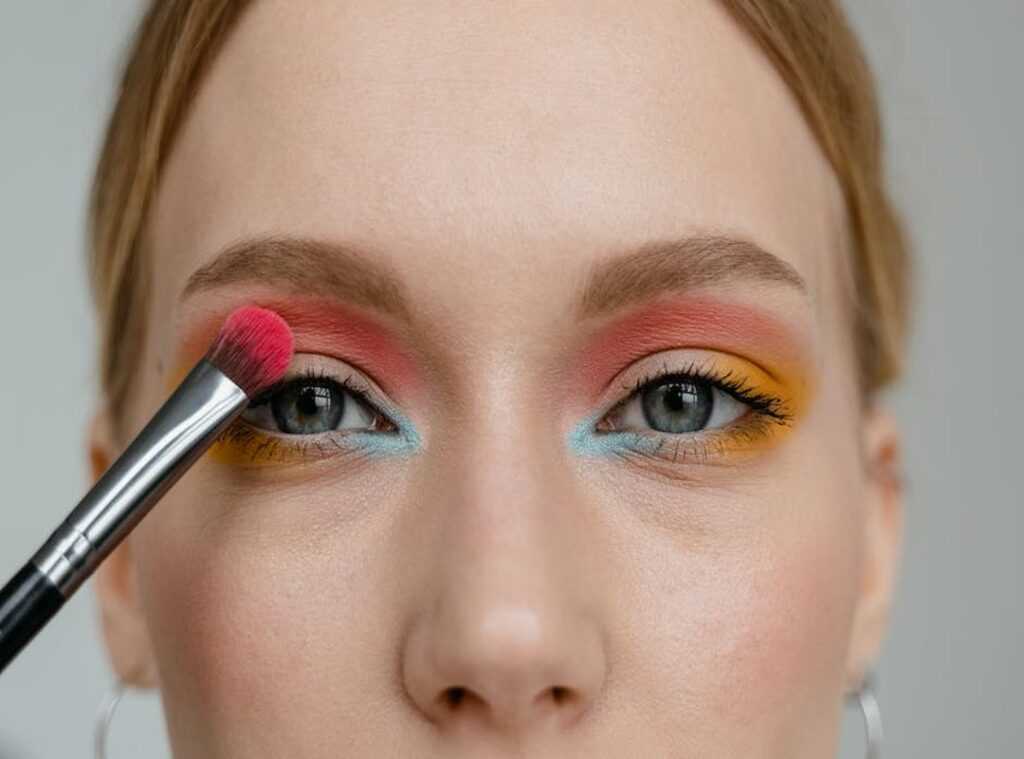
Glowing skin isn’t created in a bottle—it begins on your plate. This guide moves beyond surface-level treatments to uncover the true foundation of beauty: nutrition for radiant skin. If you’ve ever felt confused about which foods actually improve your complexion and which claims are just hype, you’re not alone. We’ll clear up the noise and focus on science-backed strategies that show how specific vitamins, minerals, and macronutrients support clarity, firmness, and luminosity. By the end, you’ll have a practical, actionable blueprint to nourish your skin from within and achieve a healthy, lasting glow rooted in real nutritional science.
The Foundation: Key Nutrients for Skin Structure and Repair
To nourish your skin and hair from the inside out, consider integrating nutrient-rich foods into your diet, and if you’re looking for a soothing beverage to enhance your wellness routine, don’t miss our guide on how to make a perfect kratom tea at Nitkafacts – for more details, check out our How To Make A Perfect Kratom Tea Nitkafacts.
Great skin isn’t just about serums—it’s built from the inside out (yes, your plate matters). Here’s how to use nutrition for radiant skin in real life.
Healthy Fats (Omega-3s & Omega-6s)
These fats form your skin’s lipid barrier—the protective layer that locks moisture in and keeps irritants out. Without it, skin gets dry and reactive.
• Add salmon twice a week
• Sprinkle ground flaxseeds into oatmeal
• Snack on a small handful of walnuts
Lean Proteins (Amino Acids)
Amino acids are the building blocks of collagen, elastin, and keratin—the proteins that keep skin firm while preventing early signs of hair thinning, such as a widening part line or excessive daily shedding. No protein, no structure (think deflated balloon).
• Rotate chicken, lentils, and tofu into meals
• Aim for protein at every meal
Complex Carbohydrates
Unlike simple sugars, low-glycemic carbs like oats and quinoa provide steady energy without insulin spikes that can trigger inflammation and breakouts. Swap white bread for whole grains and notice the difference.
Hydration Heroes: Foods to Plump and Moisturize from the Inside Out
While drinking water is essential, you can also eat your hydration. Water-rich foods deliver fluid directly into your cells, supporting elasticity and glow from within. Think of it as nutrition for radiant skin in action. However, some argue that only plain water truly hydrates. In reality, research shows high-water produce contributes meaningfully to total fluid intake, especially when paired with minerals.
To maximize results, prioritize:
- Cucumber (96%) water for crisp, refreshing crunch
- Celery (95%) water plus fiber for satiety
- Strawberries (91%) water and antioxidants for brightness
- Watermelon (92%) water for summer-ready plumpness
Additionally, remember electrolytes. Potassium-rich bananas and avocados help regulate cellular fluid balance, allowing water to stay where your skin needs it. So, rather than chugging a glass, build meals around these picks Pro tip: add a pinch of salt and citrus to fruit bowls to enhance absorption.
Your Antioxidant Shield: Fighting Free Radicals for Youthful Skin
Think of your skin as a bustling city. Every day, tiny troublemakers called free radicals roam its streets. Free radicals are unstable molecules created by UV rays and pollution; because they’re missing an electron, they steal from healthy skin cells, damaging collagen and speeding up visible aging (like microscopic pickpockets). According to the National Cancer Institute, oxidative stress from free radicals contributes to cellular damage over time.
Vitamin C: The Brightening Powerhouse
If free radicals are thieves, Vitamin C is the security system. It neutralizes these unstable molecules and serves as a critical co-factor in collagen synthesis, helping keep skin firm and resilient (NIH Office of Dietary Supplements). Load up on bell peppers, broccoli, and citrus fruits. Pro tip: pair Vitamin C-rich foods with iron sources to boost absorption.
Vitamin E: The Protective Nutrient
Vitamin E acts like a bodyguard for your skin’s cell membranes, preventing oxidative damage. Even better, it teams up with Vitamin C to recharge antioxidant defenses. Find it in almonds, sunflower seeds, and spinach.
Polyphenols: Nature’s Defense Squad
Polyphenols in green tea, dark chocolate, and berries help reduce redness and protect against sun damage. Think of them as shade trees for your skin. Combined, these nutrients form the foundation of nutrition for radiant skin—and even complement mindfulness practices that support clearer skin.
The Anti-Inflammatory Diet: Calming Acne, Rosacea, and Redness
If your skin feels constantly irritated, the real drama may be happening in your gut. The gut-skin connection refers to how an imbalanced digestive system can trigger systemic inflammation—internal immune responses that show up as acne, rosacea, or redness. The upside? When you calm inflammation internally, your complexion often follows. That’s the power of nutrition for radiant skin.
Foods That Soothe
Think of these as your skin’s peacekeepers:
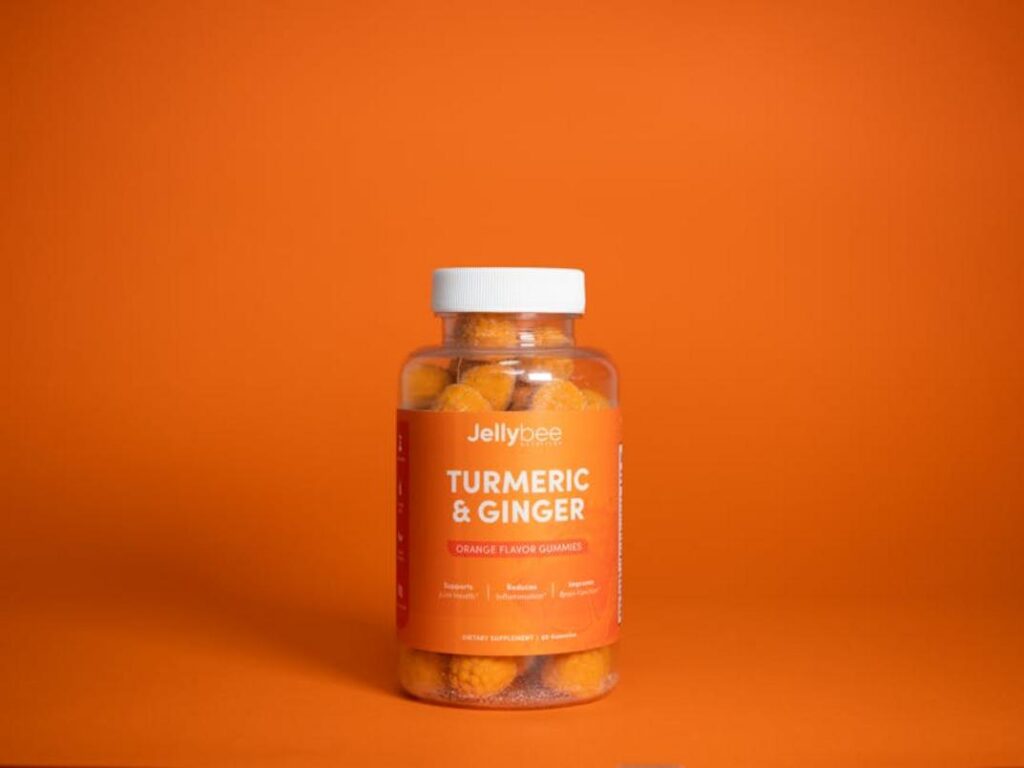
- Turmeric (curcumin) – studied for its anti-inflammatory effects (Harvard Health).
- Ginger – supports digestion and reduces inflammatory markers.
- Fatty fish (omega-3s) – linked to reduced acne severity (Journal of Clinical and Aesthetic Dermatology).
Benefit: fewer flare-ups, more even tone, and that steady, lit-from-within glow.
Foods to Limit
Sugar, refined carbs, and excessive dairy can spike inflammation for some people. Not everyone is sensitive (counterpoint noted), but tracking reactions helps you find your triggers.
The reward? Calmer skin, fewer surprises, and confidence that lasts beyond concealer.
Minerals for Radiance: The Unsung Heroes of Skin Health*
When glow routines stall, minerals are often the missing link. While competitors obsess over serums alone, true radiance starts deeper—with strategic nutrition for radiant skin.
- Zinc: The Healer. Zinc supports cell regeneration (your skin’s renewal process), speeds wound healing, and regulates sebum—the oil that clogs pores when overproduced. That’s why dermatologists frequently recommend it for acne-prone skin (NIH). Food sources include pumpkin seeds, chickpeas, and cashews.
- Selenium: The Protector. A powerful antioxidant, selenium helps neutralize free radicals caused by UV exposure, preserving elasticity and firmness (Harvard T.H. Chan School of Public Health). Brazil nuts, tuna, and brown rice deliver meaningful amounts. (Think of it as your skin’s quiet bodyguard.)
- Silica: The Glow-Getter. Silica aids collagen synthesis—the structural protein keeping skin plump—and improves moisture retention. Find it in leeks, green beans, and cucumbers.
Some argue topical products are enough. But without internal mineral support, that glow can’t last.
Build Your Glow From the Inside Out
You came here looking for a simple, realistic way to support your skin beyond topical products — and now you have it. By focusing on hydration, antioxidants, and healthy fats, you directly target the root causes of dull, inflamed, or prematurely aging skin.
The truth is, glowing skin isn’t random. It’s built daily through intentional choices centered on nutrition for radiant skin.
Start today: add one Hydration Hero, one Antioxidant Shield, and a quality healthy fat to every plate. Stay consistent. Your skin will reflect it.
If you’re ready to stop guessing and finally see visible results, commit to this daily checklist now — your healthiest glow starts with your next meal.
 Founder & Creative Director
There is a specific skill involved in explaining something clearly — one that is completely separate from actually knowing the subject. Norvain Tavender has both. They has spent years working with everyday beauty hacks in a hands-on capacity, and an equal amount of time figuring out how to translate that experience into writing that people with different backgrounds can actually absorb and use.
Norvain tends to approach complex subjects — Everyday Beauty Hacks, Insight Influx, Advanced Makeup Formulations being good examples — by starting with what the reader already knows, then building outward from there rather than dropping them in the deep end. It sounds like a small thing. In practice it makes a significant difference in whether someone finishes the article or abandons it halfway through. They is also good at knowing when to stop — a surprisingly underrated skill. Some writers bury useful information under so many caveats and qualifications that the point disappears. Norvain knows where the point is and gets there without too many detours.
The practical effect of all this is that people who read Norvain's work tend to come away actually capable of doing something with it. Not just vaguely informed — actually capable. For a writer working in everyday beauty hacks, that is probably the best possible outcome, and it's the standard Norvain holds they's own work to.
Founder & Creative Director
There is a specific skill involved in explaining something clearly — one that is completely separate from actually knowing the subject. Norvain Tavender has both. They has spent years working with everyday beauty hacks in a hands-on capacity, and an equal amount of time figuring out how to translate that experience into writing that people with different backgrounds can actually absorb and use.
Norvain tends to approach complex subjects — Everyday Beauty Hacks, Insight Influx, Advanced Makeup Formulations being good examples — by starting with what the reader already knows, then building outward from there rather than dropping them in the deep end. It sounds like a small thing. In practice it makes a significant difference in whether someone finishes the article or abandons it halfway through. They is also good at knowing when to stop — a surprisingly underrated skill. Some writers bury useful information under so many caveats and qualifications that the point disappears. Norvain knows where the point is and gets there without too many detours.
The practical effect of all this is that people who read Norvain's work tend to come away actually capable of doing something with it. Not just vaguely informed — actually capable. For a writer working in everyday beauty hacks, that is probably the best possible outcome, and it's the standard Norvain holds they's own work to.