
Why does your skin glow effortlessly one week, then suddenly erupt with breakouts or dryness the next? This unpredictable cycle is a common frustration—and it’s rarely just about the products on your shelf. The real driver behind many complexion concerns lies in the subtle yet powerful shifts in your hormones, which directly influence oil production, sensitivity, elasticity, and overall balance. Understanding these internal triggers is key to managing visible skin changes. In this science-backed, holistic guide, you’ll discover how major hormonal phases affect your skin at different life stages—and what practical steps you can take to maintain a consistent, healthy glow.
Your skin doesn’t operate on guesswork; it runs on instructions. The endocrine system is the body’s internal messaging network, sending chemical signals through the bloodstream that tell cells what to do and when. In dermatology clinics from Miami to Manhattan, practitioners track hormones and skin changes like market analysts track stocks (because the patterns are that predictable).
Meet the big four:
- Estrogen – the glow hormone. It boosts collagen, elastin, and hyaluronic acid, keeping skin plump, bouncy, and hydrated. When levels dip, fine lines appear faster than rush-hour traffic on I-95.
- Progesterone – causes subtle swelling that can compress pores, trapping sebum and debris. Hello, pre-cycle congestion.
- Androgens (like testosterone) – the oil drivers. They stimulate sebaceous glands, increasing sebum production and raising breakout risk, especially along the jawline.
- Cortisol – the stress signal. Chronic elevation fuels inflammation, breaks down collagen, and can aggravate acne or eczema.
Some argue skincare alone can override these shifts. To a point, yes—topicals help. But ignoring internal chemistry is like blaming humidity for frizz without checking the forecast. Pro tip: track monthly patterns before overhauling your routine. Balance starts internally, then radiates outward through consistent care and mindful lifestyle shifts.
Your cycle doesn’t just track fertility; it tracks your glow. Dermatologists often link hormones and skin changes in predictable patterns, which means your breakouts (or radiance) aren’t random after all.
Week-by-Week Skin Breakdown
Follicular Phase (Post-Period)
Right after your period, estrogen begins rising. As a result, skin typically looks clearer, firmer, and more balanced. “This is when my makeup just sits better,” one client told her facialist. She wasn’t imagining it—higher estrogen supports collagen production and barrier strength (American Academy of Dermatology). Think of this as your “good skin” window. In other words, it’s a great time to try new products (your skin is more resilient now).
Ovulation (Mid-Cycle)
Next, estrogen peaks. Skin often appears plump, luminous, almost filtered in real life. However, a brief surge in luteinizing hormone can trigger a small breakout. “Why do I get one random zit when my skin looks amazing?” someone once asked during a consult. That tiny spike is usually why. Still, this phase is typically your glowiest stretch.
Luteal Phase (Pre-Period)
Then progesterone rises while estrogen drops. Consequently, oil production increases, pores swell slightly, and congestion builds. Cue the classic premenstrual breakout. According to the Journal of Clinical and Aesthetic Dermatology, increased sebum during this phase contributes to acne flares. Skin may also feel puffier (yes, that’s normal).
Menstruation
Finally, all hormones dip. Skin can feel dry, dull, and more sensitive. “Everything stings this week,” a friend once complained. Lower estrogen reduces hydration support, so gentle care is key until the cycle resets.
Skin Through the Ages: Hormonal Shifts in Major Life Stages
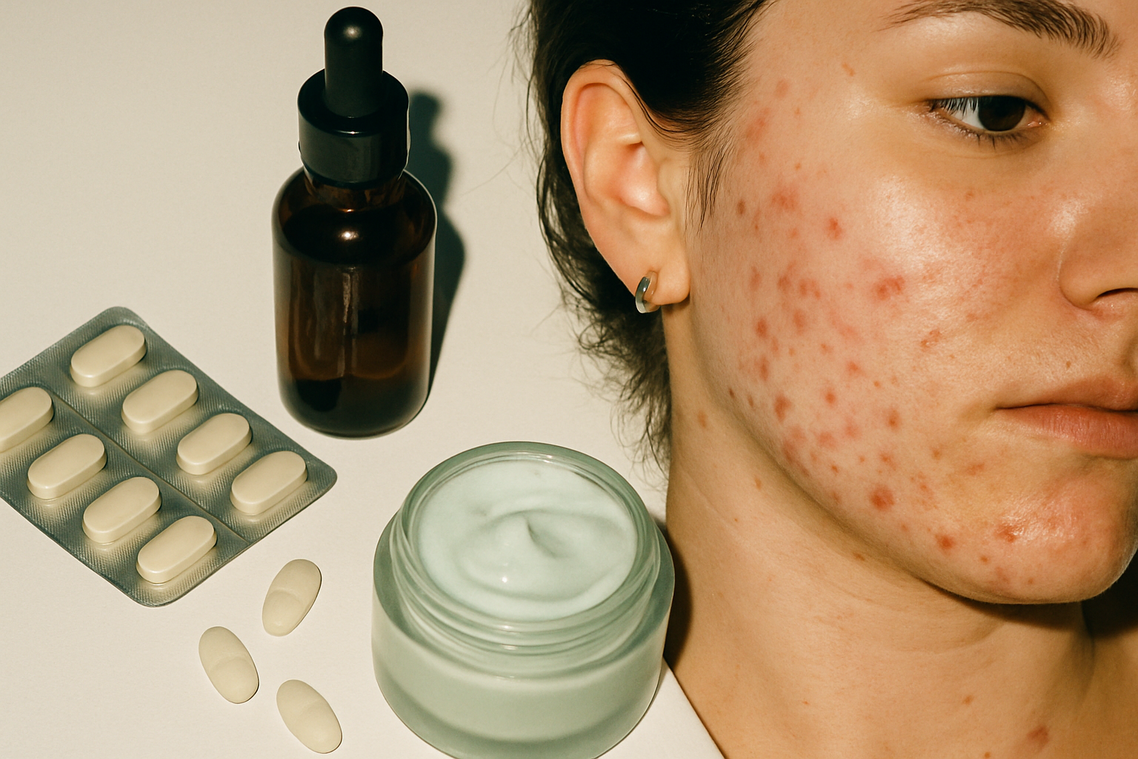
Our skin doesn’t age in a straight line. Instead, it responds to internal chemical messengers called hormones—substances produced by glands that travel through the bloodstream to regulate processes like oil production, collagen synthesis, and pigmentation. Understanding hormones and skin changes helps explain why your reflection can look dramatically different at various life stages.
Puberty: The Androgen Surge
First, puberty introduces a spike in androgens (male-associated hormones present in all genders). These hormones stimulate sebaceous glands, which produce sebum—the skin’s natural oil. More sebum means shinier skin and clogged pores. When oil mixes with dead skin cells and bacteria, acne forms (hello, high school photos). According to the American Academy of Dermatology, acne affects up to 85% of teenagers. While some argue acne is purely hygiene-related, science shows hormones are the primary driver—not how often you wash your face.
Pregnancy: Glow and Volatility
Next comes pregnancy, marked by elevated estrogen and progesterone. Increased blood flow and oil production can create the so-called “pregnancy glow.” However, higher estrogen also boosts melanin production, leading to melasma—dark facial patches often called the “mask of pregnancy.” Breakouts may also appear due to fluctuating hormones. It’s a paradox: luminous yet unpredictable.
Perimenopause and Menopause: The Estrogen Decline
Finally, estrogen levels drop significantly. Estrogen supports collagen—the protein responsible for firmness and elasticity. The Cleveland Clinic notes women can lose up to 30% of collagen in the first five years of menopause. As a result, skin becomes thinner, drier, and more prone to fine lines.
For a deeper look at external factors compounding these shifts, explore environmental stressors and their hidden impact on your skin.
Everyday habits quietly shape your hormonal rhythm, especially cortisol, the body’s primary stress hormone. When stress becomes chronic, cortisol stays elevated, driving inflammation, thinning collagen, and accelerating visible aging (yes, stress shows up on your face).
Consider the daily disruptors:
- Chronic stress: Persistent pressure keeps cortisol high, weakening the skin barrier and prolonging redness.
- Poor sleep: Less than seven hours impairs overnight repair, disrupts hormone regulation, and further elevates cortisol.
- High-glycemic diets: Sugar spikes insulin, which can stimulate androgens, increasing oil production and breakouts.
Understanding hormones and skin changes helps you build routines that protect glow term.
Creating Harmony in Your Routine
You came here to understand how to finally create balance with your skin instead of constantly battling it. The truth is, real, lasting radiance begins with recognizing how your hormones influence your complexion day after day. Ignoring those natural rhythms only leads to more frustration, especially when unpredictable skin changes make your routine feel ineffective.
An adaptive skincare approach shifts everything. By anticipating fluctuations and adjusting proactively, you begin working with your body instead of against it. That’s where consistency, clarity, and confidence start to return.
Stop reacting to every flare-up. Start decoding your skin’s language, align your routine with your body’s signals, and build a foundation that supports a lasting, holistic glow.