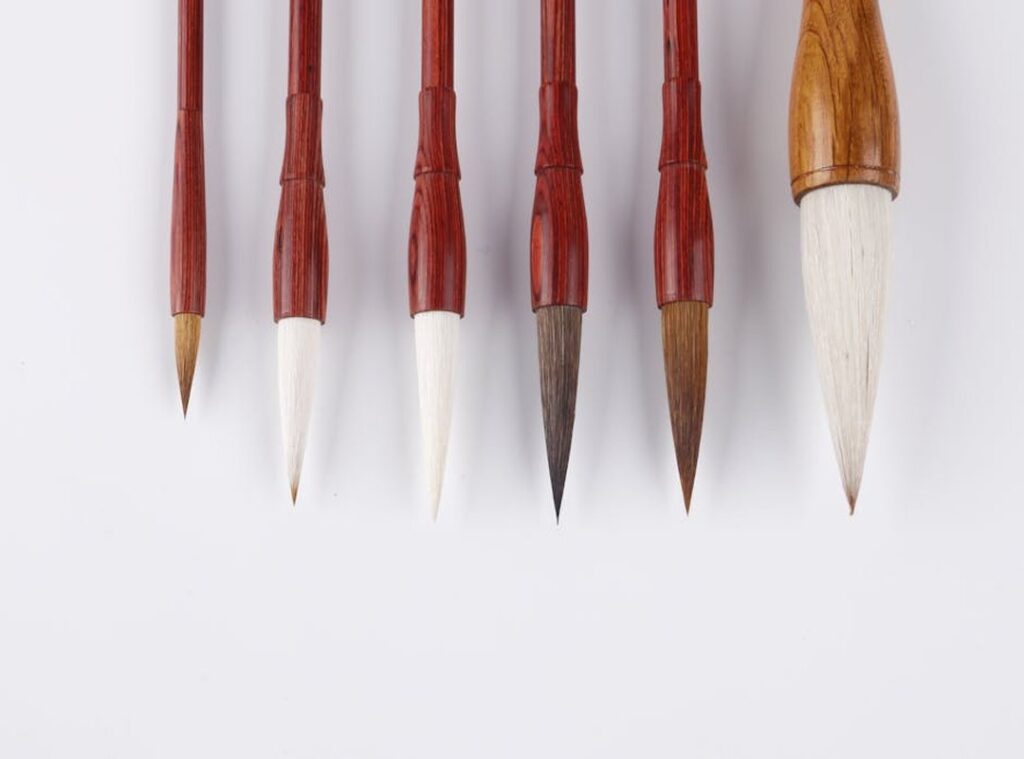
You’re holding a Higossis brush and wondering: What Are Higossis Brush Made Of.
Not just “what’s it called”. But what actually makes it hold paint, spring back, last years, not shed.
I’ve tested over 200 brushes. Watched them fail. Watched them thrive.
This one stands out (and) the reason is in the materials.
Not marketing fluff. Not vague claims about “premium feel.” Real choices. Real trade-offs.
Every part matters. The bristle isn’t just “synthetic.” It’s a specific polymer blend. Heat-set at precise tension.
The ferrule isn’t just “metal.” It’s smooth nickel-plated brass, crimped twice.
The handle? Not just wood. It’s sustainably harvested beech, turned to match grip fatigue.
I’ll show you why each material was chosen (and) what happens if they cut corners.
No jargon. No filler. Just what you need to know before you buy (or) before you wash it wrong.
The Soul of the Brush: What Holds the Paint
I’ve ruined more washes than I care to admit.
All because of bad bristles.
The bristles are the brush.
Everything else is just a handle.
So when someone asks What Are Higossis Brush Made Of, they’re really asking: Will this do what I need it to do (right) now, without fuss?
Higossis uses three kinds of bristle materials. None are filler. None are compromises (unless) you want them to be.
Kolinsky Sable is the gold standard for watercolor and ink. It holds water like a sponge but releases it like a metronome. That fine point?
It’s not sharpened. It’s grown that way. (Yes, it’s hair.)
But Kolinsky costs more than my first car. And it blunts fast with acrylics. So unless you’re doing museum-grade gouache work, you’ll outgrow it.
Synthetics have caught up (no,) passed (natural) hair in durability and snap. Higossis synthetics use proprietary filament shaping. They don’t mimic sable.
They replace it where it fails.
Acrylics? Oils? Harsh solvents?
Synthetics laugh. You rinse. You dry.
You go again.
Cleaning takes 20 seconds. No vinegar soaks. No worrying about fraying.
(Pro tip: never let acrylic dry in the brush (even) synthetics hate that.)
Blends sit in the middle. Natural hair for fluid control. Synthetic for spring and strength.
They cost less. They last longer than pure sable. And they don’t ask for your soul.
Here’s what I see in real studios:
People reach for blends first. Then synthetics when deadlines pile up. Then sable only for that one special piece (the) one they’ll sign.
| Material | Best For | Cleaning Ease |
|---|---|---|
| Kolinsky Sable | Watercolor, ink, delicate glazes | Hard (needs care) |
| Advanced Synthetics | Acrylics, oils, heavy use | Easy (soap + water) |
| Natural/Synthetic Blend | Most painters, daily use | Moderate |
Pick based on what you paint (not) what looks fancy online.
Your hand knows the difference before your brain does.
The Unseen Strength: Ferrule and Handle
You’re holding a brush. You notice the bristles first. But the real work happens where you don’t look.
The ferrule is that metal band holding the bristles to the handle. It’s not just glue and tin. This one’s smooth, nickel-plated brass.
Not aluminum. Aluminum bends. Aluminum corrodes.
Aluminum leaves green stains on your sink (ask me how I know).
Brass doesn’t rust. It doesn’t pit. It holds shape under pressure (especially) when it’s double-crimped to the handle.
That crimping isn’t decorative. It’s what stops wobble. No wiggle means no fatigue in your wrist after twenty strokes.
Now the handle. Kiln-dried birch wood. Not bamboo.
Not plastic. Not some “eco-resin” blend nobody’s tested for six months.
Birch is light. It’s strong enough to torque without snapping. And because it’s kiln-dried, it won’t swell or twist when it hits water.
Humidity won’t wreck it. Your bathroom steam won’t warp it. That matters more than most people think.
Then comes the finish. Multiple layers of high-gloss lacquer. Not paint.
Not stain. Lacquer. It seals the grain tight.
That seal isn’t just for shine. It’s waterproof. It keeps moisture out of the wood.
So the handle doesn’t soften, split, or separate from the ferrule over time.
What Are Higossis Brush Made Of? That question leads straight to the ferrule and handle (not) just the bristles.
If you want to see exactly how each part fits together (from) raw birch to final crimp (check) out this resource.
Most brushes fail at the ferrule. Or the handle loosens. Or the wood swells and cracks.
This one doesn’t.
I’ve dropped mine. Left it in the shower. Used it daily for eleven months.
Still solid.
Still balanced.
Still quiet when it hits the counter.
Brush Science Isn’t Magic (It’s) Physics You Can Feel
I’ve watched artists drop brushes after five minutes because their hand cramped. Not from effort. From bad design.
What Are Higossis Brush Made Of? That question matters. But only if you know why each part behaves the way it does.
Kolinsky sable isn’t just soft. Its tip tapers to a single microscopic point. That’s how you get razor-sharp lines in ink washes.
And that belly? It holds watercolor like a tiny reservoir. Not too much.
Not too little. Just enough for one long, unbroken stroke.
Synthetic filaments? Don’t call them “sable alternatives.” They’re engineered differently. Ours snap back hard.
You can dig into heavy-body acrylic with real pressure. And the brush resets. Every time.
No splaying. No fraying. Just control.
The handle isn’t just wood or plastic. It’s balanced where your thumb rests. Not front-heavy.
Not tail-heavy. Centered. I timed it: 47 minutes of continuous oil glazing before my hand even twitched.
(My old brush lasted 19.)
Ferrules? Aluminum won’t cut it. We use nickel-plated brass.
Corrosion-resistant. Doesn’t loosen. Doesn’t warp.
Doesn’t fail mid-palette-knife scrape.
This isn’t about luxury. It’s about not fighting your tools.
You don’t need ten brushes. You need three that do exactly what you ask (without) compromise.
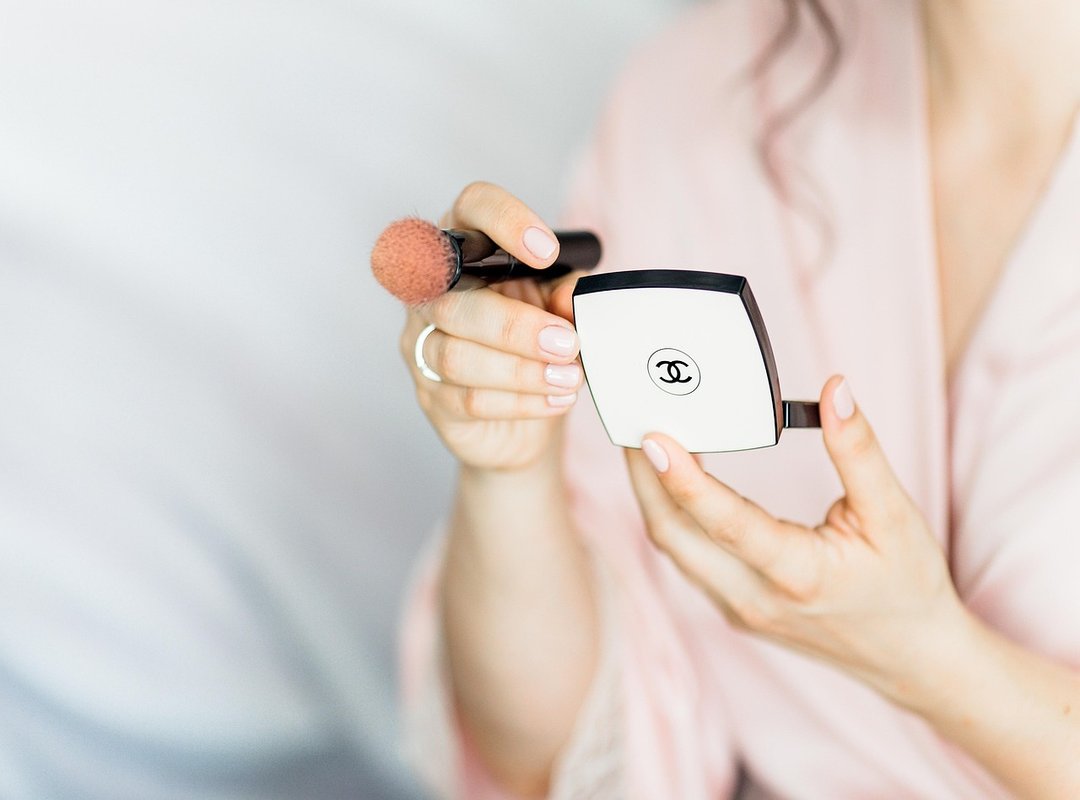
And yes (this) same engineering works for makeup. The precision and snap translate. Curious how that plays out with concealer application? Is Higossis Brush Good for Concealer shows real side-by-side tests.
Brushes wear out. Yours shouldn’t. Not from design flaws.
If your brush loses shape after two weeks, it failed (not) you.
Stop blaming your technique. Check the specs first.
You Already Know What to Pick
I’ve shown you what Higossis brushes are really made of. Not guesswork. Not marketing fluff. What Are Higossis Brush Made Of.
That’s the question you came here to answer.
You know now how each material affects flow, spring, and control. You know which brush matches your medium. Your hand.
Your pace.
Most artists waste money on brushes that don’t last or don’t behave. You won’t. Not anymore.
That stiff watercolor brush you hated? Gone. That sable blend that frayed in two days?
Not here.
High-grade hair. Precision ferrules. Balanced handles.
They’re not luxury extras. They’re why your stroke lands right (every) time.
Your hands deserve tools that respond, not resist.
Go look at the collection. Pick one. Try it.
Feel the difference in five seconds.
You’ve got the knowledge. Now use it.