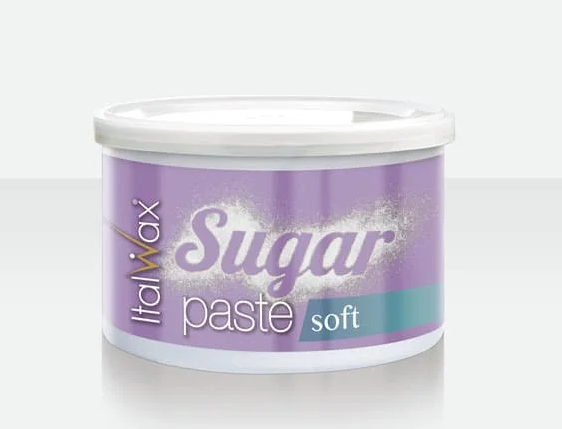
Sugar paste can change noticeably during a professional treatment. A few degrees can affect how easily it spreads, how firmly it grips hair, and how cleanly it separates from the skin. When specialists compare sugar wax from ItalWax for salon services, temperature response should be considered together with density and technique.
The correct working consistency is soft enough to apply without excessive pressure but firm enough to remain controlled. If the paste becomes too warm or too cool, even a suitable density may perform differently than expected.
Warm Paste Spreads More Easily
As sugar paste warms, it becomes softer and easier to distribute. This can be useful on large areas where specialists need smooth application without excessive pressure.
Excessive warmth creates a different problem. The paste may become too fluid, lose its shape, and become harder to remove with a controlled movement. Specialists may also need more product to maintain a workable section.
ItalWax offers professional sugar pastes in different densities, which makes it possible to select a starting consistency according to the expected skin, hand, and room temperatures.
Temperature Changes Hair Grip
Good adhesion requires the paste to surround the hair without becoming overly soft. If the product is too cool, it may be difficult to press evenly around short or fine hairs. Excessively warm paste can lose the resistance needed for controlled removal.
Hair type affects the ideal consistency as well. Coarse growth generally benefits from reliable grip and structural stability, while fine hair can often be treated with a softer paste.
The most useful signs of suitable working consistency include:
- paste spreads smoothly without flowing beyond the treatment section;
- texture remains stable while the specialist works the product;
- hair is captured without repeated application over the same section;
- the paste can be removed with a controlled professional movement;
- consistency remains manageable throughout the treatment.
These indicators are more useful than judging the product only by how soft it feels in the container. The paste continues to warm through contact with the skin and the specialist’s hands, so its behavior during the procedure matters more.
Hand Temperature Can Soften the Paste
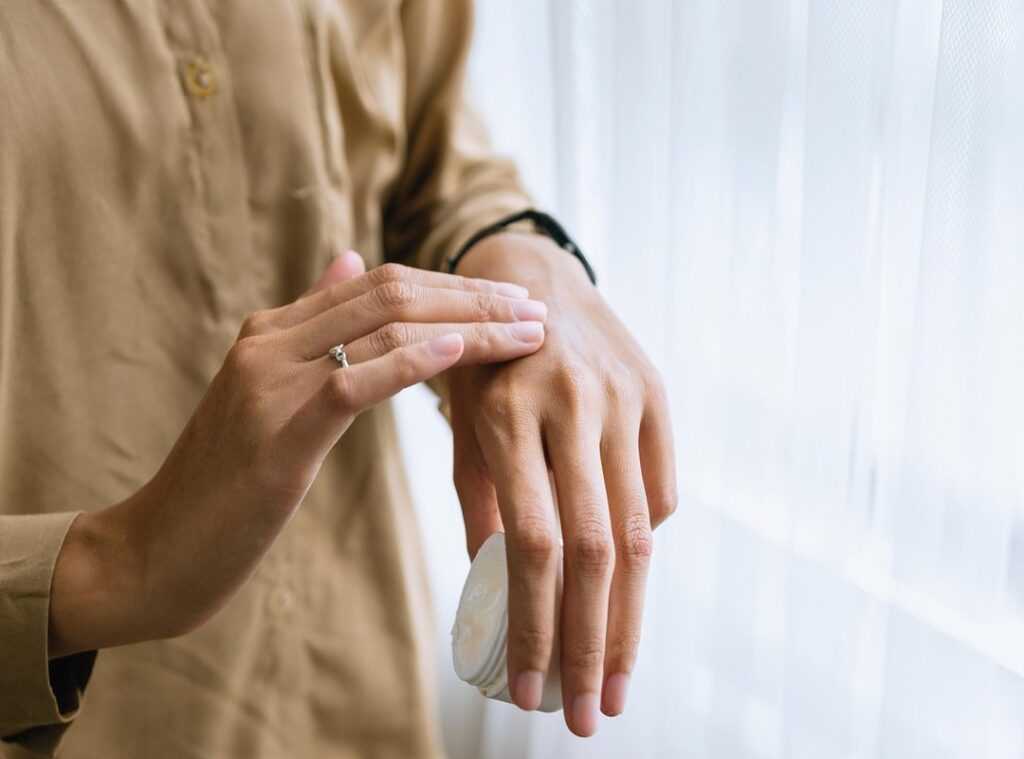
Manual sugaring transfers heat from the specialist’s hands directly into the product. A technician with warm hands may find that soft paste loses density quickly, even when the room itself is cool.
A firmer formula can provide better control in these conditions. Specialists with cooler hands or a faster technique may prefer medium or softer densities because they require less pressure to spread.
Gloves can influence heat transfer as well. The best density should remain manageable throughout several applications rather than only during the first minute of use.
Skin Temperature Also Affects Removal
Different body areas have different surface temperatures. Underarms and bikini zones can warm the paste faster than legs or arms, particularly during longer treatments.
For warmer areas, a denser paste may retain its structure more effectively. On broad, cooler zones, a softer formula can improve spreadability and reduce application effort.
The professional ItalWax sugaring range can be assessed by density and intended technique, helping specialists create a selection for different treatment conditions rather than relying on one paste for every service.
Professional salons benefit from formulas with clearly different densities rather than several products that behave almost identically. A carefully selected range gives specialists the flexibility to adapt to room temperature, skin warmth, hand temperature, and treatment area without compromising consistency during the procedure.
 Operations & Brand Strategy Manager
Richard Cortezimbra has opinions about advanced makeup formulations. Informed ones, backed by real experience — but opinions nonetheless, and they doesn't try to disguise them as neutral observation. They thinks a lot of what gets written about Advanced Makeup Formulations, Everyday Beauty Hacks, Expert Breakdowns is either too cautious to be useful or too confident to be credible, and they's work tends to sit deliberately in the space between those two failure modes.
Reading Richard's pieces, you get the sense of someone who has thought about this stuff seriously and arrived at actual conclusions — not just collected a range of perspectives and declined to pick one. That can be uncomfortable when they lands on something you disagree with. It's also why the writing is worth engaging with. Richard isn't interested in telling people what they want to hear. They is interested in telling them what they actually thinks, with enough reasoning behind it that you can push back if you want to. That kind of intellectual honesty is rarer than it should be.
What Richard is best at is the moment when a familiar topic reveals something unexpected — when the conventional wisdom turns out to be slightly off, or when a small shift in framing changes everything. They finds those moments consistently, which is why they's work tends to generate real discussion rather than just passive agreement.
Operations & Brand Strategy Manager
Richard Cortezimbra has opinions about advanced makeup formulations. Informed ones, backed by real experience — but opinions nonetheless, and they doesn't try to disguise them as neutral observation. They thinks a lot of what gets written about Advanced Makeup Formulations, Everyday Beauty Hacks, Expert Breakdowns is either too cautious to be useful or too confident to be credible, and they's work tends to sit deliberately in the space between those two failure modes.
Reading Richard's pieces, you get the sense of someone who has thought about this stuff seriously and arrived at actual conclusions — not just collected a range of perspectives and declined to pick one. That can be uncomfortable when they lands on something you disagree with. It's also why the writing is worth engaging with. Richard isn't interested in telling people what they want to hear. They is interested in telling them what they actually thinks, with enough reasoning behind it that you can push back if you want to. That kind of intellectual honesty is rarer than it should be.
What Richard is best at is the moment when a familiar topic reveals something unexpected — when the conventional wisdom turns out to be slightly off, or when a small shift in framing changes everything. They finds those moments consistently, which is why they's work tends to generate real discussion rather than just passive agreement.