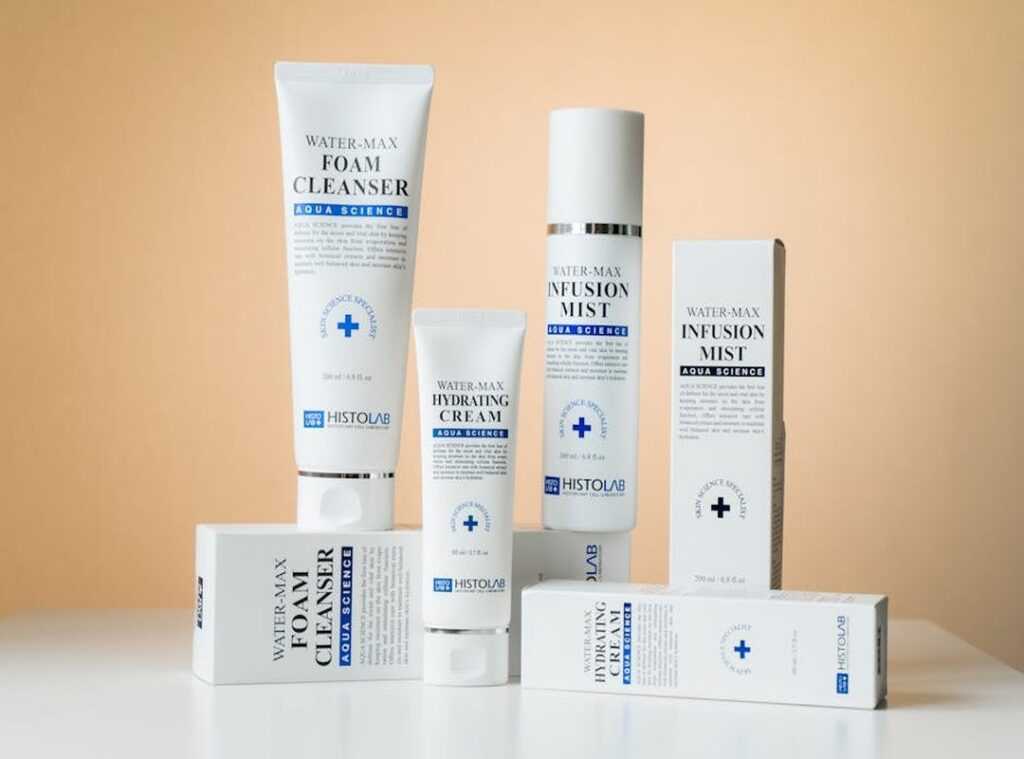

I’ve had those moments. Standing frustrated in front of a cabinet full of half-used, ineffective hair products. Who hasn’t?
It’s maddening when one-size-fits-all hair care leaves you with limp, lifeless locks. The truth? Generic solutions are bound to fail unique hair needs.
Here’s where chemistry hair care becomes a game-changer. We live in an age where skincare is precise and science-backed. So why should hair care be any different?
Using cosmetic science, we can now tailor products as uniquely as your fingerprint.
You’re probably wondering, how? This article breaks down those complex principles into simple, clear steps. You’ll understand your hair’s specific needs and find solutions that finally deliver.
Trust me, it’s time to end the guesswork in your routine. It’s time for real results.
Formulated Hair Care: Tailored Solutions for Unique Needs
Formulated hair care is a bit like having a custom suit tailored just for you. It’s designed with specific hair structure, concerns, and goals in mind. You know, like how a custom suit fits your body perfectly while an off-the-rack one feels meh?
That’s the beauty of these products. They aren’t made for the “average” head of hair (whatever that even means). They’re crafted with targeted ingredients to address real issues rather than just slapping a Band-Aid on symptoms.
Let’s get real for a second. Mass-market shampoos often promise the world but deliver…not much. They’re like those generic suits that look decent enough but don’t solve real problems.
But in chemistry hair care, it’s all about the specifics. Think protein balance and moisture retention. These products are made with scientific precision to actually work.
What’s the real benefit here? Efficacy. When you use a product that understands your hair’s exact needs, you see results. It’s not about flashy marketing claims.
It’s about tangible, ingredient-driven outcomes. That’s what separates formulated solutions from their mass-market cousins.
And just like decoding skincare labels, understanding what’s in your hair care products can be big. You move beyond the hype and focus on what actually works. Why settle for anything less, right?
If you’re serious about hair health, look past those glossy ads and dig into the ingredients. Because , real change starts with knowing what you’re putting on your hair.
Cracking the Code: Key Ingredients for Hair Health
Let’s talk about what really goes into your hair products. It’s like learning a new language. One that your hair actually speaks.
Ever wondered why some products make your hair feel like silk while others leave it frizzy? Here’s where the magic of chemistry hair care comes in.
Proteins: The Builders
First up, proteins. Ingredients like keratin and amino acids are the backbone of any good hair product. They actually rebuild and strengthen the hair shaft.
Think of them as the construction workers of your hair. If you’ve got damaged or color-treated hair, you need these builders. They’re important for high-porosity hair too.
Which, let’s face it, is just a fancy way to say your hair is a bit too porous and loses moisture fast.
Humectants: The Moisture Magnets
Next, we have humectants. These are the moisture magnets. Glycerin and hyaluronic acid, for instance, love to attract water right into your strands.
Got dry, brittle hair? Humectants are your new best friends. They’ll keep your hair looking and feeling hydrated.
It’s like giving your hair a drink of water when it’s thirsty. Ever notice how your hair feels dehydrated in winter? Humectants help with that.
Emollients & Occlusives: The Sealants
Last but not least, we’ve got emollients and occlusives. Shea butter, argan oil, and certain silicones are all about smoothing the hair cuticle and locking in moisture. They’re great at fighting frizz and offering a protective barrier.
This is key if you’re battling humidity or just trying to keep your gorgeous blowout intact.
Want to geek out more? Check out the chemistry of hair care. It dives deeper into how these ingredients work together.
Understanding these basics lets us choose products that actually do what they promise. Pro tip: Knowing your hair type helps in picking the right formulation. And that’s the true science of strands.
Finding Hair’s Secret: Decode and Conquer
Understanding your hair’s needs is where good care begins. What does your hair really want? You can’t just guess.

First things first, let’s tackle the Porosity Test. Get a spray bottle filled with water. Spritz it on a strand.
Does the water sit on top or get gulped down quickly? That’s porosity. Low porosity means your hair repels water (consider lightweight products).
High porosity hair, on the other hand, absorbs water fast (heavier moisturizers might be your friend).
Now for the Texture Test. Pluck a hair (just one, and be gentle). Compare it to a piece of thread.
Is it finer or thicker? If it’s fine, avoid heavy creams. Coarse strands?
They often need more moisture. Medium texture? Balance is key.
Next up, the Density Check. This one’s tricky. Stand in front of a mirror.
How much scalp do you see? Thick density should steer you toward volumizing products. Sparse strands might need smoothing solutions.
Finally, your checklist. What bugs you about your hair? Breakage?
Oiliness? Maybe frizz or dullness? Identify these issues first.
It’s your map to better care.
By understanding your hair’s chemistry, you’ll make smarter choices. Want to dive deeper into beauty foundations? Check out Breaking Down Clean Beauty Standards.
It’s a treasure trove.
Does this feel like a lot? Sure. But it’s your hair.
And knowing its secrets is empowering.
Finding Your Fit: Customization Unlocked
When it comes to chemistry hair care, not all solutions are created equal. There’s a spectrum, and knowing where you fit is key. At the base level, you’ve got curated systems.
These are professional products handpicked by an expert. They’re great for dipping your toes into targeted care. But let’s be real, they’re a starting point.
Then, we move to personalized brands. Ever taken one of those online quizzes? They promise to decode your hair type and goals, then whip up a semi-custom formula just for you.
It’s a step up, sure. But it still feels like a one-size-fits-most kind of deal. Is it enough?
Maybe. Maybe not.
Now, if you’re serious about your hair (and have some cash to burn), bespoke formulations are the pinnacle. Here, you’re working with a lab or trichologist. They analyze every strand and create something from scratch.
It’s the top tier of customization. The results? Tailor-made perfection.
But it’s not cheap, nor easily accessible.
So where do you land? Budget and commitment play a huge role. Entry-level curated systems are friendlier on the wallet.
Personalized brands sit in the middle, offering more without breaking the bank. Bespoke? That’s a dream for most (unless you’re a celebrity or just won the lottery).
In the end, it’s about finding what makes sense for you. Customization can be a game-changer, but it has to match your reality.
Discover Your Hair’s Unique Potential
Tired of a bathroom cluttered with failed hair products? You’re not alone. The secret isn’t more products; it’s chemistry hair care.
Knowing your hair’s properties and the right ingredients is key. Stop guessing. Embrace a scientific, personalized approach that works.
Use the at-home tests in this guide this week to uncover your hair’s unique profile. Your journey to effective hair care starts now.
Why wait any longer? Say goodbye to the trial and error. Get to know your hair, and finally find what it craves.
You deserve products that truly work. Start today.
 Operations & Brand Strategy Manager
Richard Cortezimbra has opinions about advanced makeup formulations. Informed ones, backed by real experience — but opinions nonetheless, and they doesn't try to disguise them as neutral observation. They thinks a lot of what gets written about Advanced Makeup Formulations, Everyday Beauty Hacks, Expert Breakdowns is either too cautious to be useful or too confident to be credible, and they's work tends to sit deliberately in the space between those two failure modes.
Reading Richard's pieces, you get the sense of someone who has thought about this stuff seriously and arrived at actual conclusions — not just collected a range of perspectives and declined to pick one. That can be uncomfortable when they lands on something you disagree with. It's also why the writing is worth engaging with. Richard isn't interested in telling people what they want to hear. They is interested in telling them what they actually thinks, with enough reasoning behind it that you can push back if you want to. That kind of intellectual honesty is rarer than it should be.
What Richard is best at is the moment when a familiar topic reveals something unexpected — when the conventional wisdom turns out to be slightly off, or when a small shift in framing changes everything. They finds those moments consistently, which is why they's work tends to generate real discussion rather than just passive agreement.
Operations & Brand Strategy Manager
Richard Cortezimbra has opinions about advanced makeup formulations. Informed ones, backed by real experience — but opinions nonetheless, and they doesn't try to disguise them as neutral observation. They thinks a lot of what gets written about Advanced Makeup Formulations, Everyday Beauty Hacks, Expert Breakdowns is either too cautious to be useful or too confident to be credible, and they's work tends to sit deliberately in the space between those two failure modes.
Reading Richard's pieces, you get the sense of someone who has thought about this stuff seriously and arrived at actual conclusions — not just collected a range of perspectives and declined to pick one. That can be uncomfortable when they lands on something you disagree with. It's also why the writing is worth engaging with. Richard isn't interested in telling people what they want to hear. They is interested in telling them what they actually thinks, with enough reasoning behind it that you can push back if you want to. That kind of intellectual honesty is rarer than it should be.
What Richard is best at is the moment when a familiar topic reveals something unexpected — when the conventional wisdom turns out to be slightly off, or when a small shift in framing changes everything. They finds those moments consistently, which is why they's work tends to generate real discussion rather than just passive agreement.