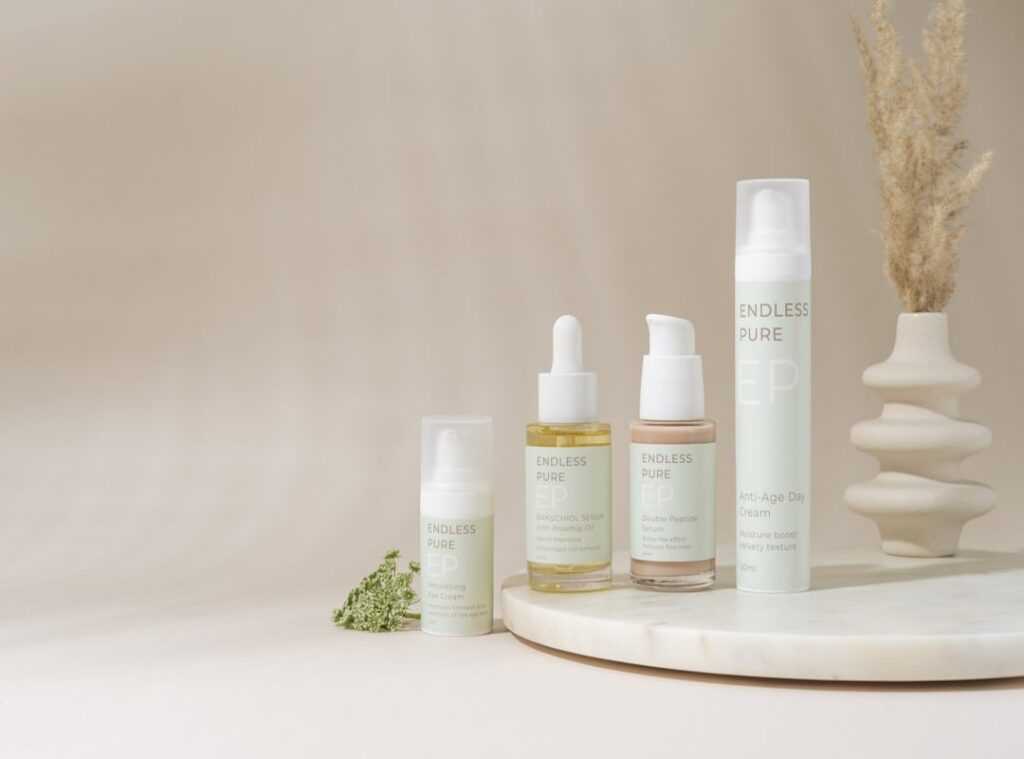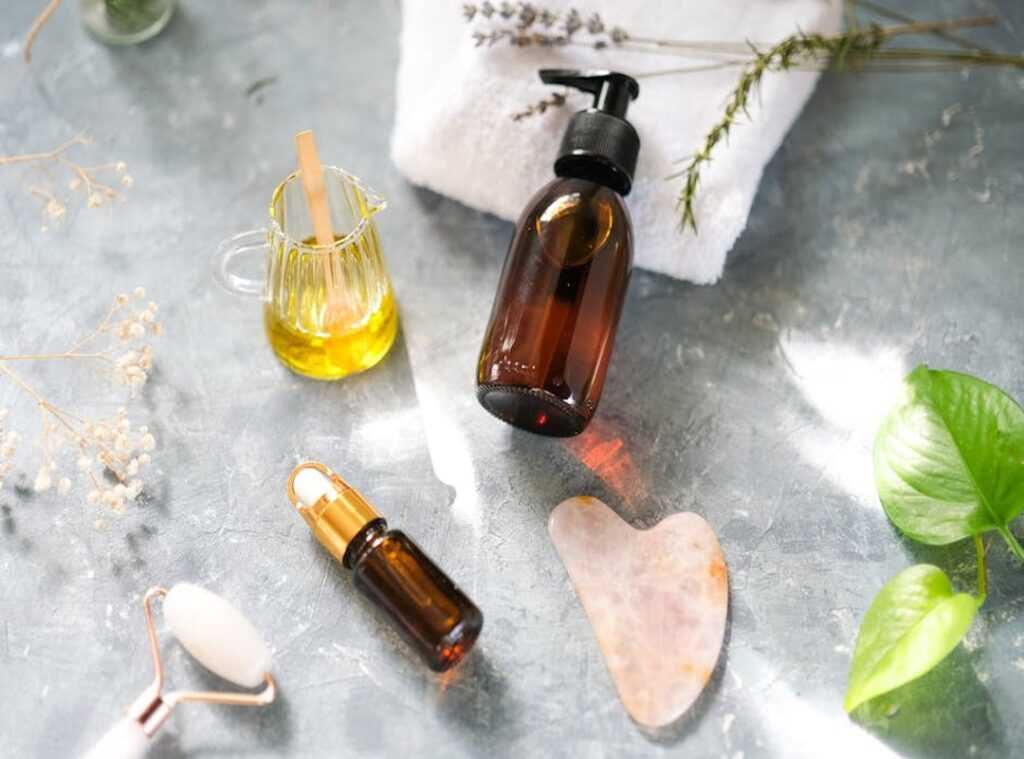

The skincare market is overflowing with products that claim they’re natural, but how many actually deliver? I’ve been there, frustrated and overwhelmed by all the noise. You’re not just looking for another cream.
You’re looking for truth. This article’s got you covered with a clear, science-backed guide.
Why trust me? I’ve spent years committed to complete beauty principles, diving deep into advanced ingredient formulations. I’m here to sift through the chaos for you.
My focus is on real results using natural ingredients skin actually benefits from. Does “natural” really mean anything? Yes, when you understand the components.
You’ll leave empowered, ready to make informed choices without second-guessing. Ready to uncover what truly works for your skin? Let’s demystify it together and find your genuine, healthy glow.
Beyond the Hype: Decoding ‘Natural Components’ in Skincare
When you hear “natural ingredients skin,” what comes to mind? Probably stuff like plants and oils. But it’s more than that. “Natural components” means ingredients your skin recognizes and can actually use.
It’s about biocompatibility.
Think of it this way: using natural components is like eating whole foods instead of junk. Your skin, like your body, knows what to do with the good stuff. Plant-derived actives, minimally processed oils, and beneficial minerals are the stars here.
They pack high nutrient density and potent antioxidants, reducing irritation risks. It’s not about fear-mongering against synthetic ingredients. (Let’s not go there.) Instead, it’s about what works best with your body.
Take plant-derived actives, for example. These aren’t just some leafy marketing trick. They’re concentrated ingredients extracted from plants, designed to nurture and protect your skin.
Minimally processed oils are next. They maintain their natural properties because they’re not over-processed (sounds like a no-brainer, right?). These oils provide important fatty acids that your skin craves.
And minerals? They offer protection and healing.
Now, consider synthetic ingredients. Sure, some are fine, but many can irritate. They might not always work in sync with your skin’s natural biology.
Natural components aim to support your skin’s own healing and regenerative processes. It’s about harmony, not battle.
Pro tip: When choosing products, look for those with ingredients your skin knows. You’ll thank yourself later. Also, consider incorporating mindfulness into skincare as part of your routine.
It’s all connected.
In the end, the philosophy is simple. Use what your skin understands. It’s like giving your body the right fuel.
Why settle for less?
Nature’s Skincare Arsenal: The Best Ingredients
When it comes to skincare, not all natural ingredients are created equal. Let’s break them down by their superpowers.
Hydrators & Plumpers. Hyaluronic Acid is the hero here. Plant-derived sources (like some root vegetables) give it the magic to soak up moisture like a sponge. You ever notice your skin feeling tight? this comes in, pulling water into the skin barrier to plump and hydrate.
Then there’s Aloe Vera. You’ve probably slapped some onto a sunburn, right? It’s a damn good humectant, drawing in moisture while soothing.
Glycerin rounds out the trio, a humectant workhorse found in so many natural products. It locks in that coveted dewy look.
Brighteners & Protectors. Vitamin C is your skin’s best friend. Found in Amla and Kakadu Plum, it battles free radicals that make skin age faster than it should. Use this stuff if you’re fighting uneven skin tone or dullness.
Green Tea Extract is another must-have. EGCG is its not-so-secret weapon, fantastic for calming redness and protecting against environmental stressors. And let’s not forget Bakuchiol.
It’s the “I want retinol benefits without irritation” alternative, perfect for fine lines.
Soothers & Strengtheners. Chamomile isn’t just for tea. This classic soother pacifies angry, red skin while strengthening its defenses. Niacinamide, though often lab-made, is a natural wonder for bolstering the skin barrier (a lifesaver for sensitive types).
Colloidal Oatmeal is a game-changer for itchy, inflamed skin. It creates a protective film on the skin surface, reducing irritation like nothing else.
Sounds simple, right? But picking the right mix is key. For a more in-depth look at which ingredients pack the most punch, check out the 7 best natural ingredients for your skin.
Don’t just slap random stuff on your face. Know what works for your skin. Because seriously, natural ingredients can be the MVPs in your beauty routine.
Skincare Ritual: Unleash Your Glow
Let’s cut through the noise. Building a skincare ritual doesn’t need to be complicated. I’m all about keeping things real and practical.
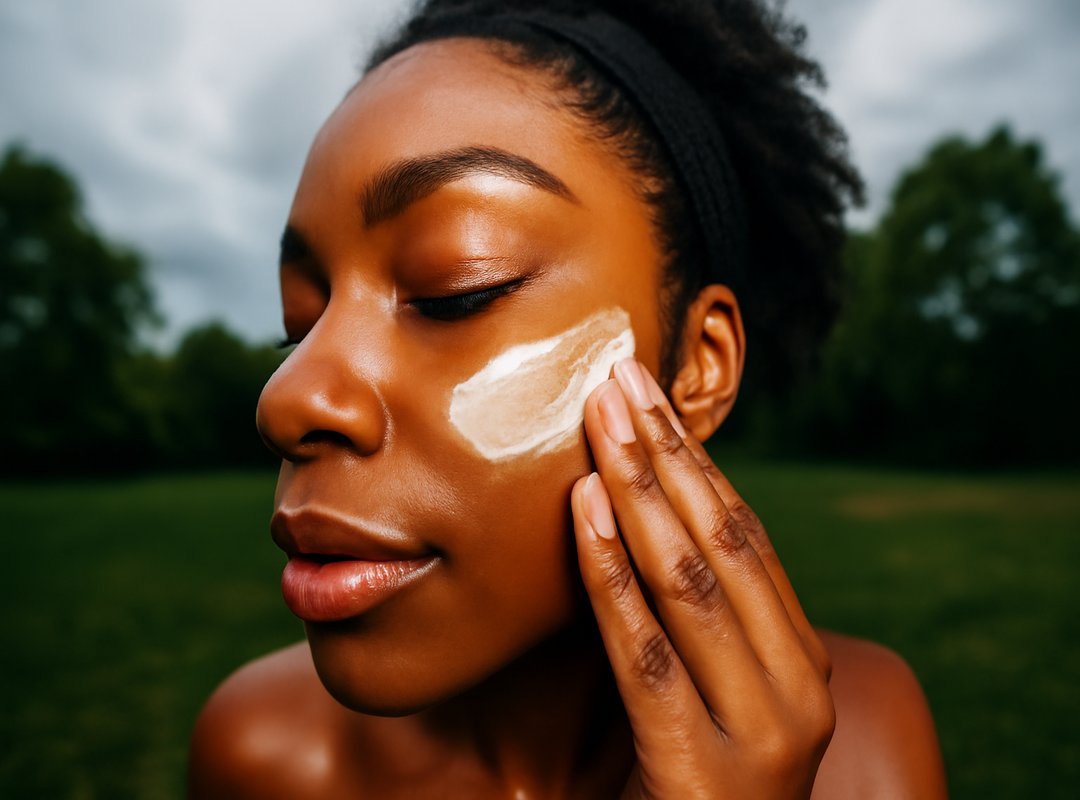
So here’s a system that’s easy to adapt. No need to follow it rigidly. Your skin, your rules.
Step 1: The Foundational Cleanse & Prep
I start with a gentle, pH-balanced cleanser. Think soothing ingredients, nothing harsh. (Your skin will thank you.) After cleansing, I reach for a hydrating toner or essence. Rosewater or glycerin are my go-tos. They prep your skin for what’s next.
Step 2: Target & Treat
Layering serums? Yes, please. In the morning, I can’t skip my antioxidant Vitamin C serum. It protects against whatever the day throws at me. At night, I’m all about Bakuchiol or Niacinamide. They help repair and renew. Ever tried that? You’ll notice the difference in no time.
Step 3: Moisturize & Defend
Choosing a moisturizer isn’t one-size-fits-all. I go for ones with oils like jojoba or squalane. Great for different skin types. But let’s be clear: daily mineral sunscreen is a must. Zinc Oxide or Titanium Dioxide are non-negotiable. Don’t skimp on this step.
Your skin is unique, so listen to it. Adjust as needed. Trends come and go, but knowing your skin’s needs?
That’s timeless. I also dig deeper into important oils beauty benefits for natural ingredients that boost skin health.
So why wait? Dive into your skincare journey and let natural ingredients work their magic. Your skin knows what it needs (just) pay attention.
The Savvy Approach: Busting Skincare Myths
You think natural is always safe, right? Wrong. Just because something’s natural doesn’t mean it’s harmless.
Some natural ingredients can be potent allergens. Important oils, for instance, can cause serious reactions. Always patch test new products.
Your skin will thank you.
Then there’s the myth that all preservatives are toxic. That’s just not true. Preservatives (even synthetic ones) are key.
They stop mold and bacteria from growing in water-based products. Imagine slathering mold on your face. Not a good look.
So don’t fear preservatives. Embrace them for what they do (keep) your products safe.
And let’s talk DIY skincare. Sure, crafting a face mask in your kitchen sounds appealing. But is it effective?
Not always. Homemade does not equal superior. Formulators spend years perfecting pH, stability, and potency.
Achieving this at home is nearly impossible. It’s like trying to bake a cake without a recipe. You might get lucky, but odds are, you’ll end up with a mess.
Natural ingredients in skin care are fantastic, but they’re not magic. Let’s separate fact from fiction. Be savvy, be safe, and remember: knowledge is empowering.
Ready to rethink your skincare routine?
Your Skin’s Natural Power Awaits
Feeling lost in the chaos of skincare hype and overwhelming ingredient lists? You’re not alone. Now, you’ve got the tools to dive into the world of natural ingredients skin with confidence.
This isn’t just about beauty; it’s about high-performance, biocompatible nourishment for lasting health. When your skin thrives, you glow. Here’s your challenge: on your next skincare shopping spree, pinpoint that key natural component from this article that tackles your primary concern.
Trust it. Embrace it. And watch your skin transform.
Ready to take control? Go for it. Your glow is just around the corner.
 Founder & Creative Director
There is a specific skill involved in explaining something clearly — one that is completely separate from actually knowing the subject. Norvain Tavender has both. They has spent years working with everyday beauty hacks in a hands-on capacity, and an equal amount of time figuring out how to translate that experience into writing that people with different backgrounds can actually absorb and use.
Norvain tends to approach complex subjects — Everyday Beauty Hacks, Insight Influx, Advanced Makeup Formulations being good examples — by starting with what the reader already knows, then building outward from there rather than dropping them in the deep end. It sounds like a small thing. In practice it makes a significant difference in whether someone finishes the article or abandons it halfway through. They is also good at knowing when to stop — a surprisingly underrated skill. Some writers bury useful information under so many caveats and qualifications that the point disappears. Norvain knows where the point is and gets there without too many detours.
The practical effect of all this is that people who read Norvain's work tend to come away actually capable of doing something with it. Not just vaguely informed — actually capable. For a writer working in everyday beauty hacks, that is probably the best possible outcome, and it's the standard Norvain holds they's own work to.
Founder & Creative Director
There is a specific skill involved in explaining something clearly — one that is completely separate from actually knowing the subject. Norvain Tavender has both. They has spent years working with everyday beauty hacks in a hands-on capacity, and an equal amount of time figuring out how to translate that experience into writing that people with different backgrounds can actually absorb and use.
Norvain tends to approach complex subjects — Everyday Beauty Hacks, Insight Influx, Advanced Makeup Formulations being good examples — by starting with what the reader already knows, then building outward from there rather than dropping them in the deep end. It sounds like a small thing. In practice it makes a significant difference in whether someone finishes the article or abandons it halfway through. They is also good at knowing when to stop — a surprisingly underrated skill. Some writers bury useful information under so many caveats and qualifications that the point disappears. Norvain knows where the point is and gets there without too many detours.
The practical effect of all this is that people who read Norvain's work tend to come away actually capable of doing something with it. Not just vaguely informed — actually capable. For a writer working in everyday beauty hacks, that is probably the best possible outcome, and it's the standard Norvain holds they's own work to.