

If you’re looking for an exciting and educational adventure, el megalodon tiburones comiendo niños might just be the ticket. I know, it sounds a bit intense, but hear me out. Kids are naturally curious about these prehistoric and modern predators.
But finding stories that both entertain and educate can be tough.
That’s why I’m here. I’ve dug through a lot of material to find the best, most thrilling, and factually accurate stories featuring megalodons and sharks.
These aren’t just any tales. They’re designed to spark imagination and teach valuable lessons.
So, if you’re ready to dive into some underwater adventures, let’s get started.
The Mighty Megalodon: A Prehistoric Giant
The megalodon was a massive prehistoric shark. It could grow up to 60 feet long, making it one of the largest predators in the ocean’s history.
- Size Matters: Imagine a shark as long as a city bus. That’s how big the megalodon was.
- Diet: This giant feasted on whales and other large marine animals. It had powerful jaws and teeth, perfect for taking down its prey.
- Habitat: The megalodon roamed the world’s oceans during the Miocene and Pliocene epochs, about 23 to 2.5 million years ago.
El megalodon tiburones comiendo niños is a phrase that might sound dramatic, but there’s no evidence to suggest it ate humans.
Its extinction remains a mystery. Some theories point to climate changes and competition with other predators.
Learning about the megalodon is important for children. It helps them understand the Earth’s history and the evolution of marine life.
Studying these ancient creatures can spark curiosity and a deeper appreciation for the natural world.
Sharks: The Ocean’s Apex Predators
Types of Sharks
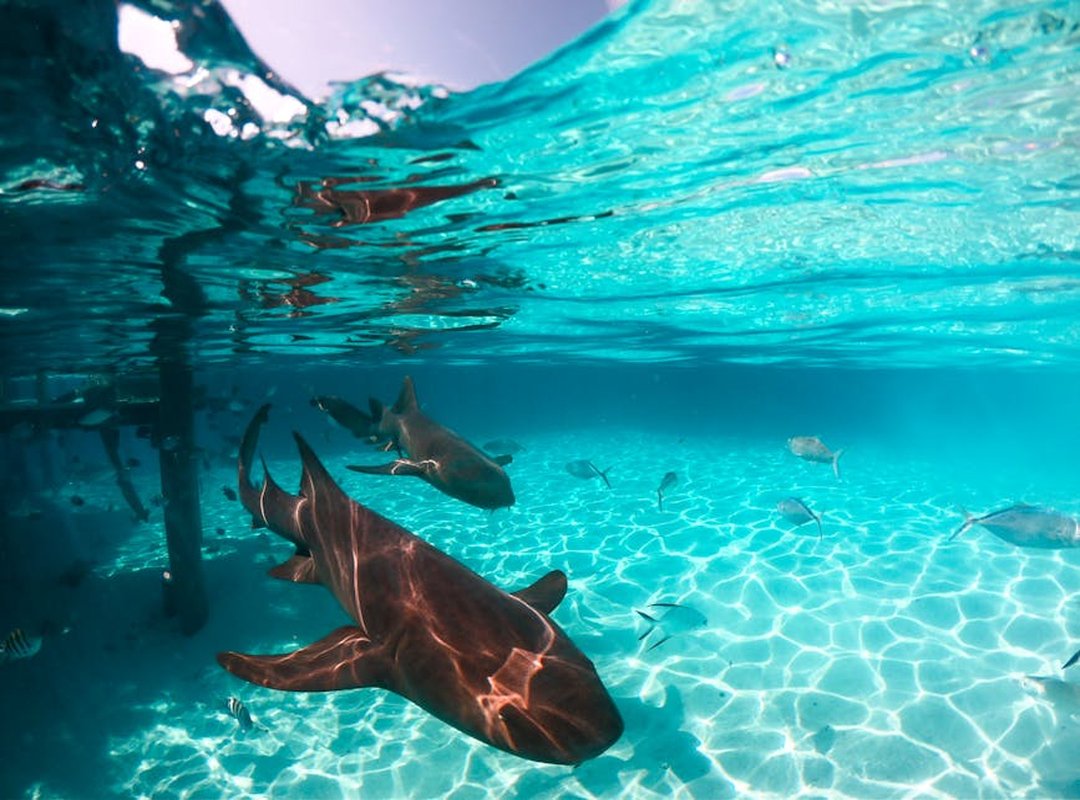
Sharks come in all shapes and sizes. Great white sharks are known for their size and power, while hammerhead sharks have a distinctive head shape that helps them detect prey. Tiger sharks are known for their stripes and can eat just about anything.
Shark Conservation
Sharks play a vital role in the ocean. They help keep the ecosystem balanced by eating weak or sick fish. Without sharks, the ocean would be in trouble.
Many shark species are endangered because of overfishing and habitat loss. We need to protect them.
Myth vs. Reality
A lot of people think sharks are out to get us. That’s not true. Most sharks are more scared of us than we are of them.
El megalodon tiburones comiendo niños is a common myth. Megalodons went extinct millions of years ago and never ate children. Sharks rarely attack humans.
It’s more like they mistake us for seals or other prey.
Sharks are fascinating creatures. By understanding them better, we can help protect them and the oceans they live in.
Top Adventure Stories Featuring Megalodons and Sharks
Have you ever wondered what it would be like to face a prehistoric predator? Let’s dive into some thrilling stories that bring these creatures to life.
Story 1: Megalodon’s Revenge
In Megalodon’s Revenge, the megalodon is the main character, and it’s out for vengeance. The story follows a group of marine biologists who accidentally awaken a massive megalodon from its deep-sea slumber. As the creature wreaks havoc on coastal towns, the team must find a way to stop it before it’s too late.
It’s a heart-pounding adventure that keeps you on the edge of your seat.
Story 2: Shark vs. Megalodon
Shark vs, and megalodon combines the best of both worlds. This story features a modern-day great white shark and a resurrected megalodon.
The educational elements are woven seamlessly into the plot, making it a perfect blend of excitement and learning. The two predators clash in a battle for survival, and the outcome is anything but predictable.
Story 3: The Life of a Shark
The Life of a Shark takes a different approach. It focuses on the life of a modern shark, exploring its interactions with other marine life and the challenges it faces. From hunting to avoiding human threats, this story gives you a glimpse into the daily struggles and triumphs of a shark.
It’s a fascinating look at the underwater world.
These stories not only entertain but also educate. They make you think about the balance of nature and the impact of human actions on marine life.
el megalodon tiburones comiendo niños might sound like a nightmare, but in the world of fiction, it’s a thrilling and thought-provoking concept.
If you’re looking for more adventures and insights, check out Dyxrozunon.
Creating Your Own Adventure: Tips for Parents and Educators
Interactive Storytelling
Interactive storytelling is a great way to engage kids. Ask them questions about the story, or let them choose what happens next. I once tried to tell a story without any interaction, and the kids were bored out of their minds.
Lesson learned: keep it dynamic.
Crafting Activities
Activities like drawing, model-making, and role-playing can make stories come alive. One time, I tried a complex craft that was way too hard for the kids. They got frustrated, and I ended up doing most of the work.
Keep it simple and age-appropriate.
Field Trips and Resources
Visits to aquariums, museums, and using online resources can enhance learning. I remember taking a group to an aquarium, and they were more interested in the gift shop than the exhibits. Balance fun with education.
el megalodon tiburones comiendo niños might sound exciting, but it’s not the best topic for a bedtime story. Stick to positive, engaging themes.
The Importance of Marine Life Education
Stories about megalodons and sharks can spark a deep interest in marine life. They make the ocean feel like an exciting, mysterious place.
- Foster a love for marine life
- Encourage environmental conservation
- Make learning fun and engaging
These tales aren’t just thrilling. They also help develop critical thinking and problem-solving skills in children. Kids start to question and explore.
(Isn’t that what we want them to do?)
- Enhance curiosity
- Promote analytical skills
- Encourage creative solutions
Cultural significance plays a big role too. Different parts of the world have unique stories and traditions related to marine life. These can be woven into storytelling, making it more relatable and impactful.
- Integrate cultural elements
- Create a sense of connection
- Broaden understanding and empathy
For example, el megalodon tiburones comiendo niños might sound like a scary story, but it can teach kids about the importance of respecting nature. It’s all about how you frame it.
Dive into the World of Megalodons and Sharks
Megalodons were massive prehistoric sharks, far larger than any shark alive today. They dominated the oceans millions of years ago. el megalodon tiburones comiendo niños is a phrase that highlights the fascination and fear these creatures inspire. Sharks, on the other hand, are diverse and play crucial roles in marine ecosystems.
Top adventure stories about these creatures can captivate the imagination. These tales often blend facts with thrilling narratives. Using such stories to educate and inspire children about marine life is incredibly valuable.
Parents and educators can create engaging and educational experiences. Incorporating activities and discussions around these stories can make learning fun and memorable for young adventurers.
 Operations & Brand Strategy Manager
Richard Cortezimbra has opinions about advanced makeup formulations. Informed ones, backed by real experience — but opinions nonetheless, and they doesn't try to disguise them as neutral observation. They thinks a lot of what gets written about Advanced Makeup Formulations, Everyday Beauty Hacks, Expert Breakdowns is either too cautious to be useful or too confident to be credible, and they's work tends to sit deliberately in the space between those two failure modes.
Reading Richard's pieces, you get the sense of someone who has thought about this stuff seriously and arrived at actual conclusions — not just collected a range of perspectives and declined to pick one. That can be uncomfortable when they lands on something you disagree with. It's also why the writing is worth engaging with. Richard isn't interested in telling people what they want to hear. They is interested in telling them what they actually thinks, with enough reasoning behind it that you can push back if you want to. That kind of intellectual honesty is rarer than it should be.
What Richard is best at is the moment when a familiar topic reveals something unexpected — when the conventional wisdom turns out to be slightly off, or when a small shift in framing changes everything. They finds those moments consistently, which is why they's work tends to generate real discussion rather than just passive agreement.
Operations & Brand Strategy Manager
Richard Cortezimbra has opinions about advanced makeup formulations. Informed ones, backed by real experience — but opinions nonetheless, and they doesn't try to disguise them as neutral observation. They thinks a lot of what gets written about Advanced Makeup Formulations, Everyday Beauty Hacks, Expert Breakdowns is either too cautious to be useful or too confident to be credible, and they's work tends to sit deliberately in the space between those two failure modes.
Reading Richard's pieces, you get the sense of someone who has thought about this stuff seriously and arrived at actual conclusions — not just collected a range of perspectives and declined to pick one. That can be uncomfortable when they lands on something you disagree with. It's also why the writing is worth engaging with. Richard isn't interested in telling people what they want to hear. They is interested in telling them what they actually thinks, with enough reasoning behind it that you can push back if you want to. That kind of intellectual honesty is rarer than it should be.
What Richard is best at is the moment when a familiar topic reveals something unexpected — when the conventional wisdom turns out to be slightly off, or when a small shift in framing changes everything. They finds those moments consistently, which is why they's work tends to generate real discussion rather than just passive agreement.