
Confused about whether you need a serum, a cream, or both? You’re not alone. Many people use them interchangeably—or skip one entirely—without truly understanding their purpose. This guide breaks down the serums vs creams difference in clear, practical terms, moving beyond marketing claims to explain how each formula works on your skin. Rooted in cosmetic science and a formulation-first perspective, we focus on how ingredients penetrate, protect, and perform. By the end, you’ll know exactly what serums and creams do, how they complement each other, and which option aligns best with your specific skin goals.
The Serum: A Targeted Treatment Delivery System
To ensure that your skin gets the most out of serums or creams, it’s essential to start with a clean canvas, which is why knowing how to clean your Higossis brush is a crucial step in your skincare routine – for more details, check out our How To Clean Higossis Brush.
The first time I used a serum, I remember thinking, That’s it? It felt almost like water—nothing like the thick cream I was used to slathering on at night. But within weeks, my skin looked brighter and smoother (the kind of glow you notice in elevator mirrors).
A serum is a targeted treatment delivery system designed to send a high concentration of active ingredients deep into the skin. Unlike basic moisturizers, which primarily seal in hydration, serums focus on correction. This is where the serums vs creams difference becomes obvious.
Serums are formulated with smaller molecular structures, meaning the particles of ingredients like hyaluronic acid (a hydration-binding molecule), vitamin C (a brightening antioxidant), and retinol (a vitamin A derivative that supports cell turnover) are tiny enough to penetrate beyond the surface layer.
Their texture is typically lightweight, thin, and often watery or gel-like. That fluid consistency allows rapid absorption without leaving a heavy residue (no greasy pillowcases).
The primary purpose? Treatment. Fine lines, hyperpigmentation, acne, dullness—serums are built to address specific concerns, not just moisturize. Think of them as the specialist, while your cream is the general practitioner.
The Cream: Your Skin’s Protective Moisturizing Shield
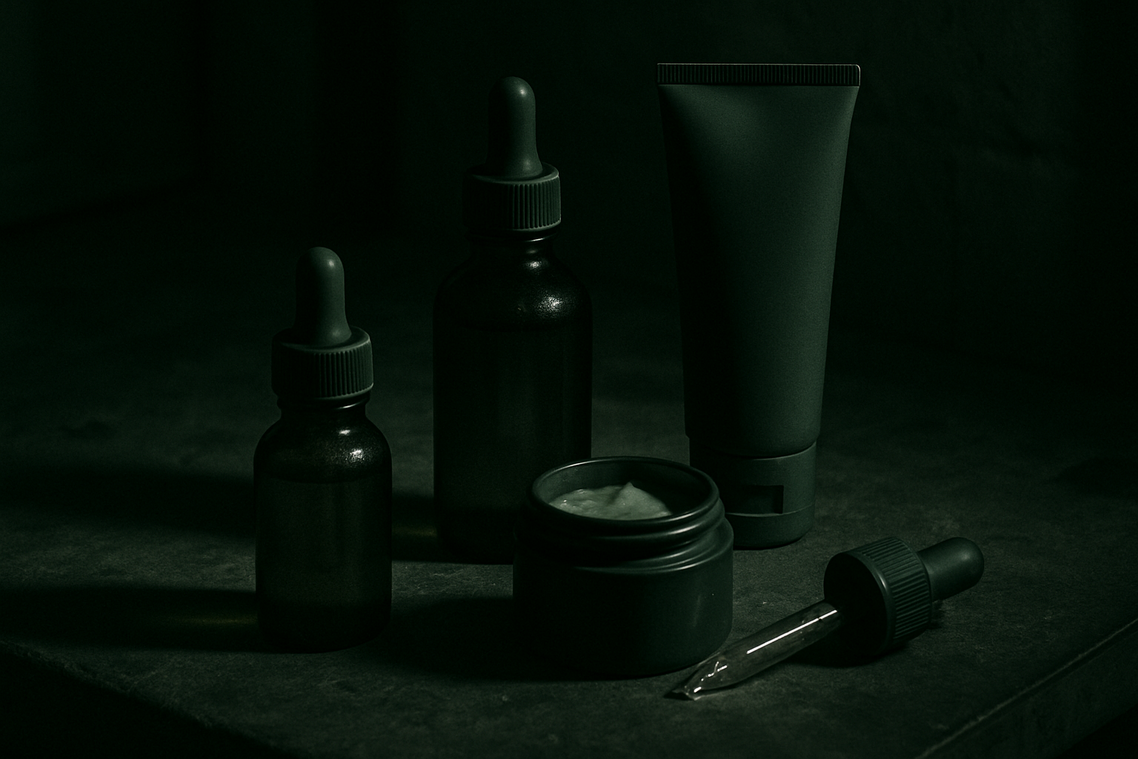
A cream’s main job is simple: moisturize your skin and create a protective barrier on its surface. Think of it as a lightweight jacket for your face (yes, even in summer). While serums dive deep, creams stay closer to the top, reinforcing the outermost layer so it can function properly.
The difference comes down to size and structure. Serums vs creams difference in the section once exactly as it is given. Creams rely on larger molecules like ceramides, shea butter, and petrolatum. These ingredients are designed to sit on the skin rather than sink quickly into it.
Here’s how they work:
- Emollients soften and smooth rough patches by filling in tiny gaps between skin cells.
- Occlusives form a seal that reduces transepidermal water loss, meaning less moisture escapes into the air.
If your skin feels tight after cleansing, a cream helps trap hydration and lock in the benefits of everything underneath. That final layer also shields against wind, pollution, and dry indoor heat.
Pro tip: apply cream to slightly damp skin to maximize moisture retention.
Is skipping cream sabotaging your glow? For many people, the answer is yes in daily routines.
Head-to-Head: The Key Distinctions at a Glance
When it comes to understanding the serums vs creams difference, clarity changes everything. Although they’re often layered together, they serve very different purposes—and choosing correctly can dramatically improve your results.
First, let’s define terms. A serum is a lightweight, highly concentrated skincare formula designed to deliver active ingredients (like vitamin C, retinol, or hyaluronic acid) deep into the skin. Think of it as a targeted treatment. A cream, on the other hand, is a thicker moisturizer that strengthens the skin barrier—the outermost layer called the stratum corneum—to lock in hydration and shield against environmental stress.
Here’s how that plays out in real life. If you’re dealing with dark spots, fine lines, or acne, a serum is your problem-solver. However, if your skin feels tight, flaky, or irritated, a cream restores comfort and prevents water loss. In other words: treat first, then protect.
Because serums contain a higher percentage of active ingredients, apply them directly onto clean skin. They’re thin and absorb quickly (no waiting around scrolling your phone). Afterward, seal everything in with your cream. In the morning, finish with SPF—always. For a deeper dive, read daily spf use why its non negotiable for healthy glow.
So what should you choose? Ideally, both. Use a serum that targets your primary concern, then layer a cream suited to your skin type. Pro tip: oily skin still needs cream—just opt for a lightweight, non-comedogenic formula.
Used strategically, they’re not competitors. They’re a power duo.
How to Choose: Aligning Products with Your Skin’s Needs
Understanding your skin type clears up much of the confusion around product layering. The serums vs creams difference comes down to texture and function: serums are lightweight and deliver concentrated ingredients, while creams seal in moisture and support the skin barrier (think of serum as the specialist and cream as the bodyguard).
So how do you match products to your needs?
- Oily or Acne-Prone Skin: Choose a lightweight hydrating serum like hyaluronic acid, then add a gel-based cream—or skip it in humid weather. Lighter layers help prevent clogged pores.
- Dry or Mature Skin: Use both. Start with a hydrating or anti-aging serum, then apply a rich, occlusive cream to prevent water loss.
- Combination Skin: Apply a balancing serum (like niacinamide for pores) and adjust cream placement—more on dry zones, less on oily areas.
- Sensitive Skin: Look for calming ingredients like centella asiatica and fragrance-free barrier creams.
When in doubt, layer thin to thick (your skin will thank you).
Building Your Perfect Skincare Layering Strategy
You already understand that serums deliver potent treatments and creams provide essential protection. That serums vs creams difference is the foundation of an effective routine. However, contrary to popular advice, you do not need a 10-step lineup. In fact, simplicity often outperforms excess (your skin can only absorb so much). By layering a targeted serum first, you treat concerns from the inside out. Then, you seal it in with a cream that supports your barrier from the outside in. Evaluate your skin, choose wisely, and commit long enough to see visible results consistently daily.
You came here wanting clarity on how to choose between products and finally understand what truly works for your skin. Now you know how formulas function, how layering impacts results, and most importantly, the serums vs creams difference that determines whether your routine actually delivers visible glow.
When your skin feels dull, uneven, dry, or overwhelmed by too many products, the problem usually isn’t effort — it’s strategy. Using the wrong texture at the wrong time can slow your progress and waste money on products that never reach their full potential.
The right approach changes everything. Serums target. Creams seal. Together, they transform.
Your Next Glow Move
If you’re tired of guessing, wasting products, or seeing minimal results, it’s time to follow a proven glow strategy. Dyxrozunon is trusted for delivering insight-driven beauty guidance that simplifies routines and maximizes results.
Start refining your routine today. Explore our advanced glow strategies, apply what you’ve learned, and give your skin the structure it’s been missing. Your healthiest, most radiant skin begins with the right formula — and the right action now.
 Head of Skincare Research & Development
Olivia McKeendonic writes the kind of advanced makeup formulations content that people actually send to each other. Not because it's flashy or controversial, but because it's the sort of thing where you read it and immediately think of three people who need to see it. Olivia has a talent for identifying the questions that a lot of people have but haven't quite figured out how to articulate yet — and then answering them properly.
They covers a lot of ground: Advanced Makeup Formulations, Everyday Beauty Hacks, Expert Breakdowns, and plenty of adjacent territory that doesn't always get treated with the same seriousness. The consistency across all of it is a certain kind of respect for the reader. Olivia doesn't assume people are stupid, and they doesn't assume they know everything either. They writes for someone who is genuinely trying to figure something out — because that's usually who's actually reading. That assumption shapes everything from how they structures an explanation to how much background they includes before getting to the point.
Beyond the practical stuff, there's something in Olivia's writing that reflects a real investment in the subject — not performed enthusiasm, but the kind of sustained interest that produces insight over time. They has been paying attention to advanced makeup formulations long enough that they notices things a more casual observer would miss. That depth shows up in the work in ways that are hard to fake.
Head of Skincare Research & Development
Olivia McKeendonic writes the kind of advanced makeup formulations content that people actually send to each other. Not because it's flashy or controversial, but because it's the sort of thing where you read it and immediately think of three people who need to see it. Olivia has a talent for identifying the questions that a lot of people have but haven't quite figured out how to articulate yet — and then answering them properly.
They covers a lot of ground: Advanced Makeup Formulations, Everyday Beauty Hacks, Expert Breakdowns, and plenty of adjacent territory that doesn't always get treated with the same seriousness. The consistency across all of it is a certain kind of respect for the reader. Olivia doesn't assume people are stupid, and they doesn't assume they know everything either. They writes for someone who is genuinely trying to figure something out — because that's usually who's actually reading. That assumption shapes everything from how they structures an explanation to how much background they includes before getting to the point.
Beyond the practical stuff, there's something in Olivia's writing that reflects a real investment in the subject — not performed enthusiasm, but the kind of sustained interest that produces insight over time. They has been paying attention to advanced makeup formulations long enough that they notices things a more casual observer would miss. That depth shows up in the work in ways that are hard to fake.